As an Amazon Associate, we earn from qualifying purchases. Some links on this site are affiliate links at no extra cost to you. Our recommendations are based on thorough research and editorial judgment.


Should I Tango Dance?

Tango dancing is an intriguing pursuit that offers multifaceted benefits. It promotes cardiovascular health while strengthening musculoskeletal systems, enhancing balance, and fostering joint flexibility. Cognitively, it stimulates memory and attentional control, especially beneficial for those with neurological challenges. Additionally, the emotional expression and social connections cultivated through tango reduce stress and combat loneliness. With injury prevention in mind, the right footwear and warm-up techniques are essential. If you’re curious, exploring more will reveal even more advantages.
Key Takeaways
- Tango dancing offers cardiovascular benefits, burning 200 to 500 calories per hour, and improving overall physical fitness.
- Engaging in tango enhances cognitive functions and helps with neurological improvement, especially beneficial for those with Parkinson’s disease.
- The dance promotes emotional expression, reduces stress, and fosters social connections, enhancing overall mental well-being.
- Safety considerations are essential; proper footwear and warm-up routines can prevent common injuries associated with tango movements.
- Participating in tango classes can build confidence and a sense of community while developing a deeper appreciation for the dance.
Health Benefits of Tango Dance
When considering the health benefits of tango dance, it’s essential to recognize its multifaceted contributions to both physical and mental well-being. Engaging in tango offers significant cardiovascular benefits, as an hour of dancing can burn between 200 to 500 calories, helping with weight management and enhancing overall endurance. In addition, the intricate footwork and deliberate posture required in tango improve musculoskeletal strength, increasing core and leg stability. This not only fosters better balance and coordination but also reduces the risk of falls, particularly in older adults. Additionally, tango aids in maintaining joint flexibility and bone strength, which can lower osteoporosis risk. Together, these elements culminate in an all-encompassing approach to health that’s both enjoyable and effective. Furthermore, participating in dances like tango cultivates social connections and elevates self-confidence, enriching the overall dance experience.
Neurological and Cognitive Effects
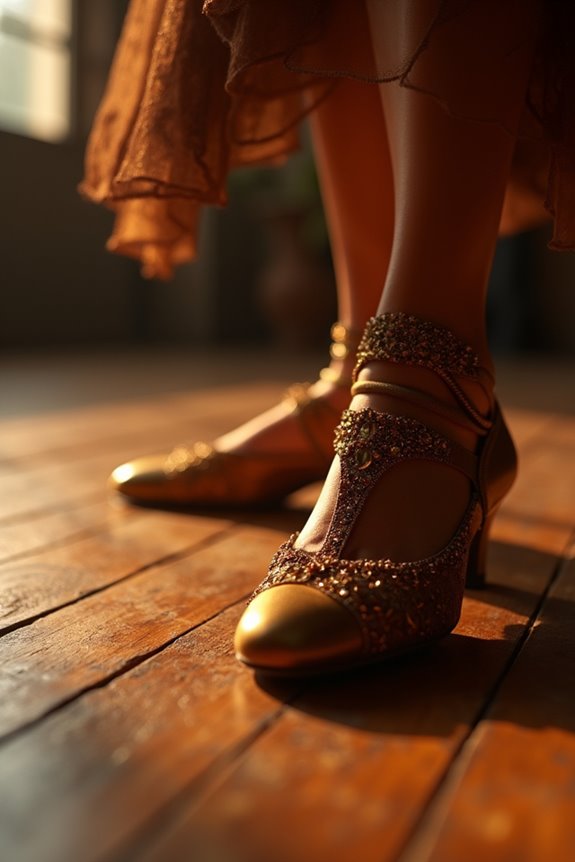
Engaging with tango not only benefits physical health but also exerts profound effects on neurological and cognitive functions, particularly for those experiencing challenges such as Parkinson’s disease (PD). Research indicates that adapted tango interventions lead to significant neurological improvements and enhancements in cognitive engagement. By necessitating the alternation of attention between balance and spatial memory, tango activates diverse cognitive functions, ultimately aiding working memory and attentional control. Studies show that the rhythmic movement stimulates the basal ganglia, vital for motor planning, and this interaction promotes neuroplasticity. Additionally, as dancers connect with partners and music, they engage their memory and executive functions, contributing to improved quality of life and delaying cognitive decline. Fundamentally, tango offers multidimensional benefits for neurological health. Furthermore, practicing tango with high-quality tango shoes can enhance comfort and support, further allowing dancers to focus on their movements and connections.
Physical and Emotional Well-being

The multifaceted relationship between tango dance and physical and emotional well-being reveals how engaging in this art form can considerably enhance one’s quality of life. Through its partner-based movements, tango promotes emotional expression, allowing individuals to articulate feelings that might otherwise remain suppressed. Additionally, this dance form significantly contributes to stress reduction; studies indicate that it increases serotonin levels, enhancing mood regulation and mitigating depressive symptoms. Participating in tango not only fosters social interaction, reducing feelings of loneliness, but also cultivates supportive communities that reinforce emotional security. The routine involved in classes and social events invariably supports mental health, offering a structured outlet that encourages resilience and promotes psychological wholeness, ultimately leading to a richer, more fulfilling experience in life. Furthermore, the right tango shoes can enhance comfort and performance, further enriching the overall dance experience.
Safety and Physical Considerations

Understanding the physical and safety considerations associated with tango dance is equally important for fully embracing its benefits on emotional well-being. Injury prevention is paramount, as common dance-related injuries often affect lower limbs, particularly the knees, ankles, and feet. The most frequent types are sprains and strains, which can arise from the unique movement patterns in tango. It’s vital to prioritize dance safety by selecting appropriate footwear and engaging in warm-up routines to enhance flexibility. As I’ve discovered, modifying dance steps and maintaining continuous supervision can greatly mitigate risks, especially for those with pre-existing health conditions. Ultimately, being aware of these factors enables me to enjoy the multifaceted pleasures of tango while minimizing potential injuries. Additionally, choosing dance shoes with memory foam cushioning can significantly enhance comfort and support during performances.
Social and Cultural Aspects

While exploring the social and cultural aspects of tango, it becomes evident that this dance is more than just a series of steps or a form of expression; it’s a vibrant tapestry woven from the rich historical and communal threads that define the tango community. Its cultural significance is deeply rooted in the late 19th-century impoverished areas of Buenos Aires, where tango emerged as a form of social commentary, addressing poverty and marginalization. Today, milongas serve as essential spaces for community bonding, enabling the formation of romantic relationships and reinforcing social ties. These gatherings are governed by intricate codes of conduct, preserving the social harmony that is crucial for sustaining connections among dancers, blending tradition with evolving practices, and fostering inclusivity within the tango culture. Participating in local tango classes can greatly enhance both the learning experience and community involvement.
Practical and Long-term Impact
As we explore the impact of tango beyond its social and cultural significance, we encounter a multifaceted discipline that promotes not only physical fitness but also cognitive and emotional well-being. Engaging in tango dance fosters muscle tone, flexibility, and balance, which are crucial for maintaining physical independence, especially as we age. The long-term commitment to this practice enhances cognitive functions, stimulating memory and concentration, while also reducing stress and feelings of isolation. Furthermore, the cardiovascular benefits of tango contribute to overall health, supporting tango sustainability as a lifestyle choice. By incorporating regular dancing into our routines, we actively invest in our well-being, paving the way for a healthier, more connected life, rich in emotional and physical energy. Additionally, tango cultivates emotional expression, allowing dancers to communicate their feelings through movement and connect with others on a deeper level.
Tango Dance for Different Age Groups
Tango dance, often celebrated for its passionate movements and rhythmic intricacies, offers diverse benefits tailored to different age groups, enhancing both physical and emotional well-being regardless of life stage. For children and adolescents, tango fosters flexibility, physical strength, and emotional resilience, promoting self-esteem and social skills. Young and middle-aged adults engage in this art form for its cardiovascular benefits, mitigating stress and fostering meaningful connections, while simultaneously enhancing muscle strength. For older adults, tailored tango styles focus on improving balance and cognitive function, essential for healthy aging. Across all ages, thoughtful age adaptations in teaching methods guarantee inclusivity, addressing varying physical abilities. Ultimately, tango serves as a versatile tool for holistic development, enriching lives through movement, connection, and expression.
Getting Started With Tango Dance
Getting started with this fascinating dance form can feel both exhilarating and intimidating, given the intricate steps and nuanced techniques involved. To master the tango basics, it’s essential to begin with understanding the rhythmic timing—slow, slow, quick, quick, slow—enabling you to internalize the fundamental beat structure. Focusing on the primary walking patterns develops comfort and balance with your partner, enhancing that critical partner connection. Practicing in the closed position promotes the characteristic style of tango, fostering an intimate connection while mirroring each other’s movements. Consider joining beginner classes or utilizing online video tutorials to build confidence and fluency. Gradually incorporating turns and embellishments will articulate your growing proficiency, ultimately enriching your tango experience and encouraging a deeper appreciation for this compelling dance.
Frequently Asked Questions
What Should I Wear for Tango Dancing?
For tango dancing, I recommend comfortable tango attire that allows movement. Opt for a knee-length dress or flexible pants. Don’t forget proper shoes—choose leather-soled ones for smooth gliding and better connection with your partner.
Can Tango Dance Be Learned Online?
Absolutely, I learned tango through online classes and video tutorials. They’re flexible and structured, allowing me to progress at my own pace. It’s a fantastic way to immerse myself in tango from anywhere!
How Often Should I Practice Tango?
I think a balanced practice schedule is essential. I try to combine regular social dancing with focused sessions on tango techniques. It’s all about consistent hours to develop skills and deepen my understanding of the dance.
Are There Competitive Tango Events to Join?
I’ve explored various competitive tango events and tango festivals. Picture vibrant dancers twirling together, showcasing their passion. Joining these competitions can elevate your skills while immersing you in a supportive and spirited tango community.
Is Tango Suitable for Beginners?
Absolutely, tango’s very suitable for beginners! I found that taking beginner classes really helped me grasp the tango basics quickly. The supportive atmosphere makes learning fun, and you’ll be dancing in no time!