As an Amazon Associate, we earn from qualifying purchases. Some links on this site are affiliate links at no extra cost to you. Our recommendations are based on thorough research and editorial judgment.


Which Is Tango Posture?

Tango posture is a multifaceted framework that integrates the alignment of shoulders, hips, and spine, establishing a dynamic yet stable connection between partners. This delicate balance encourages a fluid grace in movement, with a flat, open chest and relaxed shoulders fostering an intimate embrace. Moreover, proper weight distribution and spinal extension are essential for core engagement, enhancing overall stability. In addition, understanding these elements is vital for effective communication in dance, and there’s more to explore about its complexities.
Key Takeaways
- Tango posture involves aligned shoulders, a projected chest, and a knitted ribcage to enhance balance and fluidity in movement.
- Proper hip alignment and weight distribution beneath the spine aid stability and prevent tilting while dancing.
- A compact, rounded frame with elevated elbows promotes effective connection and communication with your partner.
- Maintaining a slight forward lean and using nonverbal cues enhances sensitivity and emotional connection during the dance.
- Regular posture checks and alignment drills are crucial for developing a strong, stable, and responsive tango posture.
Key Elements of Tango Posture
When considering the key elements of tango posture, one quickly discovers that it encompasses multifaceted components essential for creating a strong and expressive connection with one’s partner. A crucial aspect is shoulder alignment; shoulders must remain flat, open, and relaxed, ensuring they align naturally over the ribs while drawing the shoulder blades slightly together to cultivate a stable, flexible upper back. This positioning maintains the crucial chest projection, allowing for an effective chest-to-chest connection. I find that the ribcage should stay knitted in, complemented by a gently projected chest, thereby preventing hyperextension of the thoracic spine. This alignment not only enhances balance but also promotes fluidity in movement, encouraging a dynamic yet stable embrace throughout the dance. Proper heel height selection can also significantly influence overall posture and balance in tango.
Body Alignment and Balance

Achieving a harmonious balance in tango is fundamentally anchored in body alignment, where every element—from the head to the feet—plays a pivotal role. Central to this is hip alignment; my hips must remain vertically aligned beneath the spine, ensuring effective weight distribution across both feet. This not only aids stability but also prevents unnecessary tilting that might disrupt my balance. Coupled with spinal extension—where I imagine being gently pulled upward—core engagement solidifies my posture, allowing for fluid partner connection. Balance maintenance hinges on axis control, integrating the alignment of my head, neck, and limbs into a cohesive vertical line. By cultivating mindfulness of these elements, I create a stable foundation for dynamic movement and elegant expression in my tango. Additionally, selecting the right dance shoe fit can enhance comfort and support during practice, further aiding in maintaining proper posture.
Recommended Products

3.25 inch (8 cm) gold heels

COMFORTABLE AND FLEXIBLE: The Women's Splitflex T-Strap Character Dance Shoe is designed to provide maximum comfort and support during dance routines. The shoe features a split sole design that allows for greater flexibility and range of motion, while the T-strap gives extra support to the foot.

Classical elegance and beauty. For women who desire to look, feel and be their best. You will love the way Very Fine Delphine Dance Shoes complement your beauty and grace on the dance floor.
Frame and Arm Position
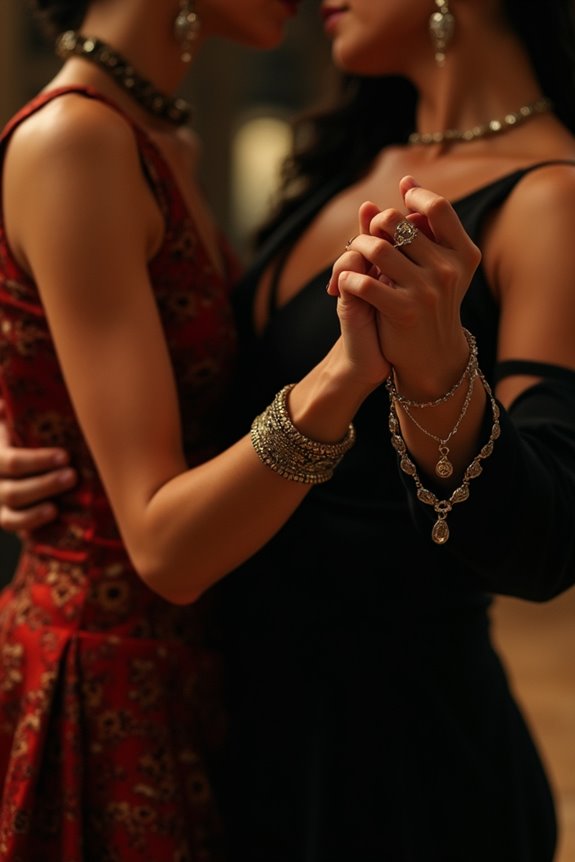
Building upon the foundational concepts of body alignment and balance, the framework of tango is largely defined by the shape and positioning of the arms. A compact, rounded frame is essential, as it evokes the sensation of cradling a large ball in front of the body, enabling effective connection and communication. My elbows remain slightly elevated, creating a dynamic yet stable link to my partner, while the arm flexibility allows for seamless lead and follow. I engage my partner’s body through deliberate and gentle pressure, optimizing our frame variation. With my right hand on her shoulder blade, and her left resting on my forearm, we cultivate a harmonious balance—one that fosters both intimacy and the freedom necessary for the intricate movements of tango. Additionally, suede soles provide optimal grip and slide, enhancing our connection on the dance floor.
Recommended Products

Dance in comfort and style with the Very Fine Icarus Practice Dance Sneakers. Suede outside and genuine leather interior to expand and fit your foot like a glove.

High-Quality Suede Sheets: Each sheet is 3/64 inch (1.2 mm) thick, providing durability and longevity for your dance shoes

Very Fine Darius Dance Slipon Loafers. Easy, comfortable and convenient to put on and take off.
Postural Exercises and Awareness
Understanding the intricacies of posture and body awareness in tango extends beyond mere physical alignment; it encompasses a multifaceted approach to cultivating an embodied connection with both oneself and one’s partner. Through various alignment drills, I’ve learned the importance of maintaining posture feedback that reinforces balance and fluidity. Engaging in core strengthening exercises has enabled me to stabilize my pelvis, supporting controlled movement and enhancing my frame. Additionally, using tools like mirrors during practice helps me become acutely aware of my body’s positioning, encouraging ideal alignment. Regularly checking my posture not only prevents bad habits but also promotes a dignified, grounded presence. By refining these postural exercises, I’ve found greater ease in executing steps, allowing for a more harmonious tango experience. Furthermore, comfort and support are crucial components that can significantly impact performance during dance practice.
Recommended Products

Advanced Android Open System: Powered by Android, this MWE Smart Mirror features a fully open operating system that lets you download and use any app you love—from fitness...
Connection and Movement Dynamics
While many elements contribute to the artistry of tango, the interplay between connection and movement dynamics stands out as the foundation upon which successful dancing is built. Achieving connection sensitivity requires a shared, stable axis, allowing for effective movement communication between partners. The embrace, or abrazo, serves as the primary conduit for this connection, relying on upper body tonicity and alignment. A slight forward lean enhances sensitivity, balancing control and fluidity. Nonverbal cues—like eye contact and micro-movements—also play pivotal roles in enhancing this bond. Additionally, maintaining a well-aligned core not only provides stability but also facilitates the intricate rotational movements characteristic of tango, ensuring that each step articulates both intention and emotional expression, thereby enriching the overall dance experience. Incorporating personalized attention in lessons can further refine these connection dynamics and enhance the learning process.
Common Mistakes and Corrections
Tango is a multifaceted dance where common mistakes in posture can disrupt not only individual performance but also the intimate connection between partners. I’ve noticed that insufficient core engagement often leads to poor balance, making one feel unstable and disconnected. Misaligned hips and shoulders can further complicate our frames, while flat-footed walking diminishes foot activation, reflecting in our graceful movements. In tango history, each correction adds to the evolution of posture; for instance, learning to step with intention, using precise alignments, protects our flow. Anticipating a partner’s movement detracts from the synergy we seek. Ultimately, understanding and correcting these common mistakes fosters a deeper connection, enabling us to embrace tango’s rich history with confidence and poise. Additionally, comfort in tango shoes can significantly improve balance and posture, enhancing overall performance.
Recommended Products

Duo Sole Design: Suede sole with rubber insert offers optimal grip and slide.
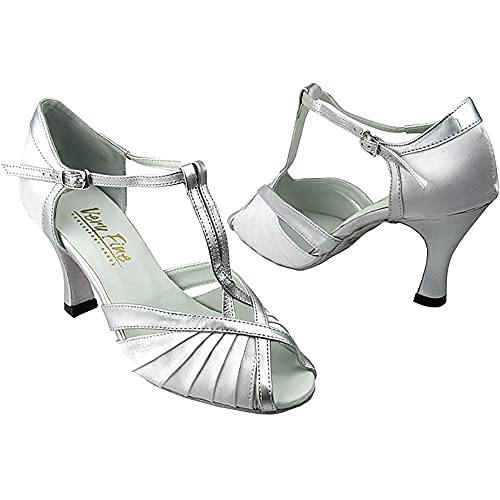
Gabriella Wide Womens Dance Shoes - the right size should still feel tight to protect your feet and ankles. They will stretch and form to your feet over time, but tight and snug will give you the best performance in dance.

Importance of Upper Body Fluidity
The connection between partners in tango hinges on more than just footwork; it requires an articulate fluidity within the upper body that enhances both stability and grace. A fluid upper body, supported by core strength, fosters both control and elegance, allowing small, nuanced movements to translate into dynamic expressions during each step. This internal power acts as a stabilizing force, promoting appropriate posture without tension. Additionally, when the upper body moves freely, it liberates the free leg, facilitating a flow that deepens the connection between partners. As I engage my core and maintain this fluidity, I not only elevate my own performance but also enrich my partner’s experience, resulting in a beautifully coordinated dance that resonates with musicality and emotion.
Recommended Products
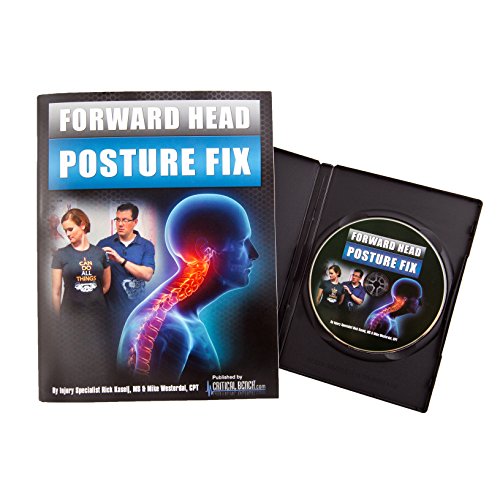
Correct Forward Head Posture & Text Neck: Learn how to target every neck muscle with easy-to-follow exercises. Rick’s "sequential flow" method makes correcting your posture simple, clear, and effective—turning it into second nature.

【Correct Posture & Combat Tech Hunch】This yoga stick gently aligns your spine and opens tight shoulders—ideal for office workers & students to reverse daily slouching from screens. Stand taller, breathe easier, and restore natural posture in minutes.

Posture Corrector: Our posture corrector is suitable for adults, help you open your shoulders, you will have a straight posture and be more confident, healthy, and younger. enjoy a wonderful life with a better posture.
Enhancing Stability Through Awareness
To enhance stability in tango, cultivating an acute awareness of one’s body mechanics becomes essential, particularly as it relates to maintaining balance and control during intricate movements. One of the most effective stability strategies involves aligning key body points—hips, knees, sacrum, and vertebrae—while actively monitoring weight distribution on the feet, which fosters groundedness. Incorporating proprioceptive drills, such as single-leg balancing exercises or utilizing a stick for spinal alignment, sharpens my self-awareness. Engaging in continuous self-monitoring through these drills allows me to develop an intuitive sense of my center of gravity and enhances my micro-adjustments during dance. By focusing on these elements, I can experience a seamless connection between strong posture and graceful movement, resulting in heightened stability.
Role of Posture in Partner Connection
While mastering the posture aligns well with personal stability in dance, it simultaneously plays a pivotal role in facilitating a deeper connection between partners. In tango, a centered couple position, where shoulders and hips are aligned, supports various embrace styles, from close to open. These posture variations greatly influence how we communicate through movement; a relaxed, well-toned upper body fosters sensitivity, allowing each partner to articulate subtle leads and follows with ease. By maintaining a neutral, yet engaged posture, we create a more responsive and dynamic connection, preventing stiffness that could disrupt our rhythm. Ultimately, the way we position our bodies not only enhances physical closeness but also deepens our emotional dialogue on the dance floor, cultivating synchronization and trust.
Frequently Asked Questions
How Does Posture Affect Tango Dance Style Variations?
Posture considerably shapes tango dance style variations, influencing musical interpretation and body alignment. I’ve found that maintaining proper alignment enhances both connection with my partner and the expressive quality of our movements on the dance floor.
Can Posture Influence Tango Performance Awards or Competitions?
Studies show that 85% of judges prioritize posture techniques in their performance evaluation. A strong posture can greatly elevate your score by showcasing control and elegance, essential for winning competitions and earning awards.
What Role Does Footwear Play in Maintaining Tango Posture?
Footwear plays a huge role in maintaining tango posture. The right materials and proper heel height help me balance and align my body, allowing for smooth movement and reducing the risk of injury during our dances.
How Can Music Choice Impact Posture During Tango?
Music choice greatly impacts my tango posture. The musical rhythm drives my physical response while emotional expression influences how I carry myself. I adapt my stance to convey the music’s feelings, enhancing both connection and movement.
Are There Cultural Differences in Tango Posture Around the World?
Absolutely, I’ve noticed significant cultural influences shaping regional styles in tango posture. For instance, the intimate Argentine embrace feels different from the more structured European forms, reflecting each culture’s unique aesthetic and social norms.