As an Amazon Associate, we earn from qualifying purchases. Some links on this site are affiliate links at no extra cost to you. Our recommendations are based on thorough research and editorial judgment.

Are There Tango Styles?

Yes, there are indeed several tango styles, each illustrating the dance’s multifaceted nature and cultural heritage. Traditional styles such as Milonguero and Tango de Salon showcase distinct characteristics and varying embraces, while contemporary variations, like Tango Nuevo, prioritize fluidity and improvisation. These differences arise from regional influences and historical contexts. Understanding these styles can greatly enrich your appreciation of tango’s complexity and artistry, paving the way for deeper insights into its ongoing evolution.
Key Takeaways
- Argentine tango includes various traditional styles such as Milonguero, Villa Urquiza, Orillero, Tango de Salon, and Fantasia, each with unique characteristics.
- Contemporary variations like Tango Nuevo and Fantasy Tango reflect innovative approaches, emphasizing fluidity and artistic expression in performances.
- The embrace dynamics influence different tango styles, affecting partner connection, communication, and overall dance experience.
- Tango styles are shaped by cultural intersections, showcasing influences from African, European, and Indigenous traditions throughout their historical evolution.
- Each tango style caters to specific environments, such as crowded milongas and formal events, allowing diverse adaptations and expressions.
Overview of Argentine Tango Styles
The world of Argentine tango is a multifaceted tapestry, weaving together various styles that each articulate distinct cultural and historical narratives. Among these, Villa Urquiza, with its elegant embrace and flowing movements, contrasts sharply with the intimate, close-holding Milonguero style, which tightly binds partners as they navigate crowded milongas. Canyengue thrives on rhythmic syncopation and lively footwork, showcasing the genre’s playful roots. Simultaneously, Nuevo Milonguero introduces modern elements into traditional frameworks, while Tango Escenario captivates audiences with dramatic performances designed specifically for the stage. Whenever tango festivals occur or dance competitions unfold, these styles emerge, reflecting their diversity and richness, contributing uniquely to the evolving landscape of this cherished dance. Each style resonates, speaking volumes of its origins and adaptations. Understanding the emotional aspects of tango can further enhance the connection between partners and deepen the overall experience.
Traditional Argentine Tango Styles
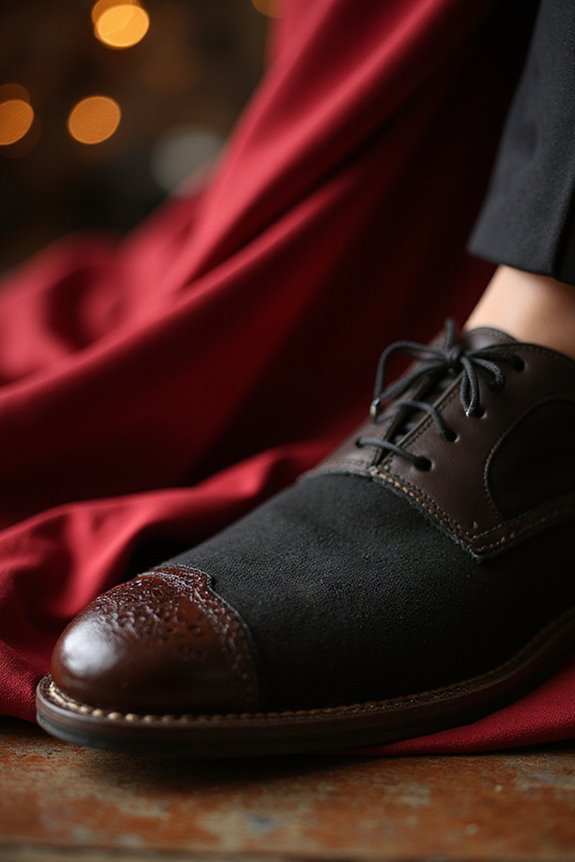
Exploring the vibrant spectrum of traditional Argentine tango styles reveals a rich interplay of history, culture, and social dynamics. The Milonguero style, with its close embrace and compact steps, thrived in 1950s Buenos Aires social clubs, embodying an intimate connection rooted in tango history. In contrast, Villa Urquiza style developed in the mid-20th century, prioritizing a distinctive V-shaped embrace and upright posture, articulate in its aesthetic flow. Orillero style stands out with playful embellishments and rhythmic footwork, often breaking the line of dance to showcase creativity. Tango de Salon serves as a formal, polished style with precision and elegance, while Fantasia emphasizes spectacle, evolving from Villa Urquiza roots. Each style’s cultural significance mirrors Argentina’s diverse social landscape, revealing the tango’s multifaceted heritage. Learning Latin dance styles not only enhances your skills but also connects you to the vibrant culture surrounding this passionate art form.
Recommended Products
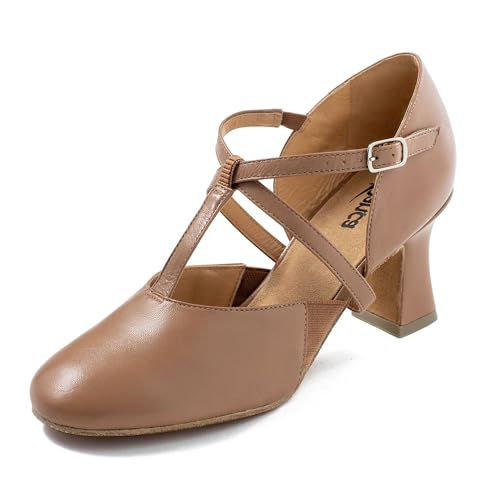
Elegant T-Strap Design: The crossover T-strap enhances the leg line and adds a touch of sophistication.

Elegant T-Strap Design: The crossover T-strap enhances the leg line and adds a touch of sophistication.

Authentic Spanish Sound – Toe & Heel Nails (clavos) Crisp, resonant beats make these flamenco shoes with nails the favorite of escuelas de baile and studio teachers. Perfect for flamenco dance shoes women need to master rhythm early on.
Contemporary Tango Variations
While traditional Argentine tango styles have laid the essential groundwork for the dance, contemporary tango variations emerge as dynamic expressions that substantially expand the boundaries of this art form. Tango Nuevo emphasizes fluid movements and open embraces, allowing for innovative improvisational techniques that invigorate the dance. Similarly, Fantasy Tango, designed for performance, fuses diverse rhythmic elements, enchanting audiences with dramatic choreography. In contrast, Tango Orillero, with its playful footwork, celebrates a rich cultural heritage while showcasing expressive artistry. Meanwhile, the Apilado style prioritizes a close embrace, which enhances connection and musicality even in crowded spaces. Overall, these contemporary adaptations reflect a vibrant evolution of tango, driven by the allure of contemporary choreography and an embrace of cultural diversity. Additionally, the emotional connection in tango music fosters an intimate relationship between dance partners, enriching the overall experience.
Recommended Products

3.25 inch (8 cm) gold heels

Classical elegance and beauty. For women who desire to look, feel and be their best. You will love the way Very Fine Delphine Dance Shoes complement your beauty and grace on the dance floor.

COMFORTABLE AND FLEXIBLE: The Women's Splitflex T-Strap Character Dance Shoe is designed to provide maximum comfort and support during dance routines. The shoe features a split sole design that allows for greater flexibility and range of motion, while the T-strap gives extra support to the foot.
Ballroom and International Tangos
Ballroom and International Tangos represent an enchanting evolution of the traditional Argentine dance, adapting its essence to fit the structured environment of formal competitions and social ballroom settings. In these styles, Ballroom Techniques focus on a more upright embrace and precise, stylized footwork. The connection between partners is firmer, emphasizing accuracy over the intimate closeness found in Argentine Tango. International Dynamics, meanwhile, bring a compact hold that enhances communication while maintaining a horizontal movement plane, distinct from the rise-and-fall typical of other ballroom dances. Rhythmic elements are carefully articulated, with sharp accents and dramatic head snaps showcasing the dance’s intensity. Overall, these adaptations create a multifaceted approach to Tango, balancing tradition with the demands of competitive performance. Additionally, dancers benefit from wearing quality materials in their shoes, which can enhance performance and support during intricate movements.
Recommended Products

Elegant T-Strap Design: The crossover T-strap enhances the leg line and adds a touch of sophistication.

Dance in comfort and style with the Very Fine Icarus Practice Dance Sneakers. Suede outside and genuine leather interior to expand and fit your foot like a glove.
Authentic Spanish Sound – Toe & Heel Nails (clavos) Crisp, resonant beats make these flamenco shoes with nails the favorite of escuelas de baile and studio teachers. Perfect for flamenco dance shoes women need to master rhythm early on.
Regional Influences on Tango
Recognizing the rich tapestry of influences that shape Tango, it becomes evident that the dance cannot be understood solely through its formal interpretations, such as those found in Ballroom and International Tangos. The origins of regional tango can be traced back to the late 19th century, specifically in Buenos Aires and Montevideo, where a profound blend of Afro-Argentine, European, and Indigenous cultures converged. This dance emerged in impoverished neighborhoods, often in bordellos, symbolizing the struggles and aspirations of disenfranchised communities. As tango evolved, so did its cultural intersections, reflecting distinct styles from various Buenos Aires neighborhoods, like La Boca and San Telmo, alongside the unique nuances of Uruguayan tango. Each regional tango variant embodies its own historical narrative, enriching the overall legacy of this enthralling art form. Understanding the cultural significance of tango deepens appreciation for its diverse styles and the emotions they convey.
Musical Styles and Their Impact
Understanding the multifaceted nature of tango music reveals how deeply intertwined it is with the dance form itself, shaping not only the movements on the floor but also the emotional landscape performers navigate. Each musical style—Tango, Milonga, and Vals—intricately informs dance through distinct rhythmic variations. The dramatic pulse of the Tango rhythm encourages fluid, yet deliberate movements, whereas the lively Milonga promotes quick steps, filled with accented beats that animate the dance. Vals, on the other hand, invites a flowing, circularity that allows dancers to explore grace and continuity. Essentially, these musical influences don’t merely accompany the dance; they dictate how dancers express themselves, guiding the interplay of technique and emotion in every performance. The rich instrumental arrangements characteristic of these styles amplify the overall experience, inviting both performers and audiences to engage deeply with the dance.
Technical Characteristics by Style
While examining the technical characteristics of tango across its various styles, it becomes evident that each approach articulates a distinct vocabulary of movement, shaped by cultural contexts and individual expression. International Style Tango emphasizes sharp, staccato lines with a grounded base, fostering minimal independent arm movement to enhance partner connection. In contrast, the American Style showcases dramatic tension with its closed holds, sharp foot action, and organized 4/4 rhythms. Argentine Style tango introduces a fluidity wherein the center of mass leads, allowing for adaptable timing and smooth body flight. Meanwhile, Ballroom Tango blends simplicity with intricate dance technique, highlighting constant tension and expressive direction changes. Each style presents a rich tapestry of movement, emphasizing how partner connection dynamically influences interpretation and execution.
Recommended Products


Very Fine Andromeda Practice and Teaching Womens Dance Shoe with Ballroom Dance level suede soles. A dance shoe designed for the woman who needs to spend hours each day practicing her moves or teaching her students.

Duo Sole Design: Suede sole with rubber insert offers optimal grip and slide.
The Role of Embrace in Tango
The embrace in tango, a multifaceted aspect of the dance, serves as the foundation for partner connection and communication. Within this intimate framework, embrace dynamics greatly influence the emotional connection between dancers, allowing for the articulation of communication signals that transcend verbal language. Through physical contact, each style of embrace—whether close, real close, or open—plays a critical role in ensuring style adaptability and facilitating lead-follow interaction. The embrace governs energy flow, while skilled dancers maintain balance through engaged cores and respectful alignment of their axes. Additionally, this essential element enriches the overall dance experience, supporting fluid movements and fostering an environment where partners can express themselves creatively, enhancing both connection and nuance in their performances.
Recommended Products
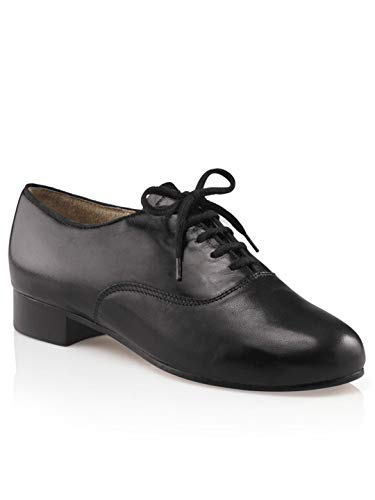
This shoe's sizing is equivalent to street shoe size
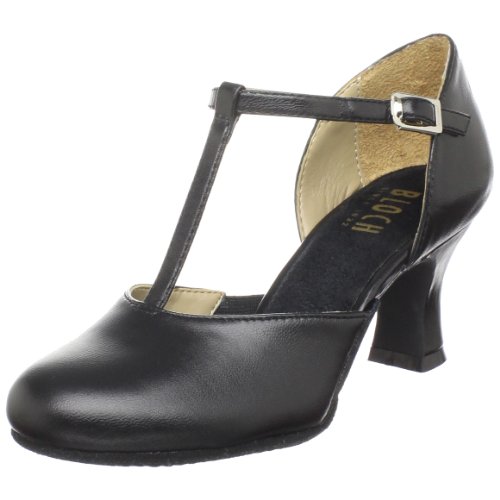
Versatile leather character shoe with leather upper and leather lining
Very Fine Andromeda Practice and Teaching Womens Dance Shoe with Ballroom Dance level suede soles. A dance shoe designed for the woman who needs to spend hours each day practicing her moves or teaching her students.
Historical Context of Tango Evolution
Tango’s evolution reflects a rich tapestry of cultural intersections and social transformations that shaped its distinct identity. Emerging along the Rio de la Plata in the late 19th century, tango origins are deeply rooted in diverse cultural influences, including African rhythms, Cuban habanera, and European forms like mazurka and polka. Within Buenos Aires’ marginalized immigrant communities, the dance first flourished, embodying a unique subculture that defined its character and spirit. The bandoneon, introduced in the early 20th century, became essential in articulating tango’s musicality. Though initially stigmatized, tango navigated social landscapes, transforming into a sophisticated art form embraced by various classes. This interplay of cultural influences not only solidified tango’s identity but also facilitated its global reach and adaptation.
Popularity and Recognition of Different Styles
As I explore the popularity and recognition of different tango styles, it becomes clear that the multifaceted nature of Argentine tango has captivated dancers worldwide, owing much to its inherent focus on personal expression and connection. Styles like Estilo Milonguero, celebrated for its close embrace and suitability for crowded milongas, showcase the cultural exchange inherent in tango, as dancers from varied backgrounds merge traditions. Similarly, Tango Salon and Nuevo styles reveal how improvisation fosters artistic development during dance festivals. Additionally, the distinction between Argentine tango and ballroom variations illuminates how institutional promotion of the latter has influenced global recognition. Despite these differences, the appeal of Argentine tango styles continues to resonate, fueled by their rich histories and emotional depths.
Frequently Asked Questions
What Style Is Best for Beginners to Start With?
For beginners, I suggest seeking structured beginner classes that emphasize tango fundamentals. American Tango’s clear steps and close embrace help harness harmony and enhance confidence, perfect for those first few essential forays into dance.
How Does Partner Height Affect Tango Styles?
Partner height affects tango styles by necessitating embrace adjustments. Height dynamics require me to adapt my posture and signals, ensuring we synchronize movements effectively, allowing us to enjoy dancing together despite our differences.
Can Tango Be Danced Solo or Without a Partner?
Yes, I can dance solo tango! Practicing improvisational techniques helps me develop my movements and musicality. It’s a great way to refine my skills and express myself, even without a partner.
What Are Common Mistakes Beginners Make When Learning Tango?
Oh, beginners often fumble by leading with their arms, overthinking steps, and mixing up footwork. It’s like tango’s a puzzle! Practice tips? Focus on connection, not technique—misconceptions aside, feel the rhythm!
How Do I Choose the Right Tango Shoes for My Style?
To choose the right tango shoes for my style, I consider shoe materials for comfort and flexibility, along with heel height. Suede soles and a height that supports my posture make a big difference in my dancing.