As an Amazon Associate, we earn from qualifying purchases. Some links on this site are affiliate links at no extra cost to you. Our recommendations are based on thorough research and editorial judgment.

The 3 Best Astor Piazzolla CDs to Experience the Magic of Tango Music

To experience the magic of tango music, consider three essential Astor Piazzolla CDs: *Hommage à Piazzolla* offers diverse arrangements that capture emotional depth; *Tango: Zero Hour* showcases innovative fusions of tango, jazz, and classical elements with fascinating acoustics; and *Astor Piazzolla (1921-1992)* provides a thorough overview of his revolutionary journey. Each album invites you to engage with intricate compositions, compelling instrumentation, and expressive melodies. Exploring these CDs reveals more about Piazzolla’s influence and artistry.
Key Takeaways
- Hommage a Piazzolla offers emotional depth and passionate performances with exceptional sound quality, perfect for discovering the essence of tango music.
- Tango: Zero Hour is an essential listen that fuses tango, jazz, and classical elements, appealing to those interested in modern interpretations of tango.
- Astor Piazzolla (1921-1992) provides a comprehensive collection showcasing pivotal compositions, ideal for both newcomers and enthusiasts of Piazzolla’s musical journey.
- Each album captures the emotional landscapes of Buenos Aires, inviting listeners to experience the passionate spirit inherent in Piazzolla’s work.
- Collaborations with skilled musicians enhance the intricate layers and emotional resonance, making every listen a unique experience full of surprises.
PIAZZOLLA, ASTOR: HOMMAGE A PIAZZOLLA – Music Of Pizzolla & Peterburshsky

PIAZZOLLA, ASTOR: HOMMAGE A PIAZZOLLA - Music Of Pizzolla & Peterburshsky
- Format: CD
- Label: Nonesuch
- Genre: Latin/Classical/Modern
Astor Piazzolla’s “Hommage a Piazzolla” emerges as an exceptional choice for those seeking a profound and nuanced introduction to the world of tango music, particularly for listeners who appreciate the intricate interplay between traditional forms and contemporary interpretations. Gidon Kremer’s passionate performance, alongside musicians mirroring Piazzolla’s iconic quintet, showcases the multifaceted nature of his compositions. Each piece traverses emotional landscapes, ranging from haunting to romantic, allowing you to experience tango as serious concert music. The album’s exceptional sound quality and varied arrangements further enhance its critical acclaim, making it a must-have for those wanting to explore Piazzolla’s legacy.
Best For: Fans of tango music and classical interpretations looking for a profound introduction to Astor Piazzolla’s works.
Pros:
- Exceptional Sound Quality: The clarity and brilliance of the recording enhance the listening experience significantly.
- Emotional Depth: Gidon Kremer’s passionate performances provide a captivating journey through various emotional landscapes.
- Varied Arrangements: The selection of larger-scale works offers a comprehensive exploration of Piazzolla’s innovative compositions.
Cons:
- Niche Appeal: Those unfamiliar with tango music may find it challenging to connect with the style.
- Limited Availability: As an homage album, it may not include Piazzolla’s most recognized pieces, potentially disappointing some listeners.
- Length of Works: Some listeners may prefer shorter compositions, whereas this album showcases larger-scale performances which could feel extended.
Tango: Zero Hour

Tango: Zero Hour
- PIAZZOLLA ASTOR TANGO ZERO HOUR
For anyone seeking to explore the intricate world of tango music, *Tango Zero Hour* emerges as an essential entry point, particularly for those who appreciate the fusion of classical and jazz influences within the genre. This iconic 1986 album showcases Astor Piazzolla’s revolutionary tango nuevo, featuring complex compositions that have become quintet standards. With each track, the ensemble transforms intricate works into electrifying performances, where Piazzolla’s expressive bandoneon harmonizes with pianist Pablo Ziegler’s jazz sensibilities and violinist Fernando Suárez Paz’s classical flair. As you immerse yourself in its emotional depth, you’ll discover an unparalleled blend of passion, rhythm, and bittersweet melodies, making it indispensable.
Best For: Anyone who appreciates a blend of classical and jazz influences within tango music and is looking for an engaging entry point into Astor Piazzolla’s revolutionary works.
Pros:
- Exceptional recording quality and acoustics enhance the listening experience.
- Captivating emotional depth and romantic qualities that resonate with listeners.
- Features a unique fusion of tango, jazz, and classical elements that surprises with each listen.
Cons:
- May not be suitable for those seeking traditional dance music or upbeat tango tracks.
- Some listeners might prefer the energy of live recordings over studio productions.
- The complex compositions may require multiple listens to fully appreciate their nuances.
Astor Piazzolla (1921-1992)
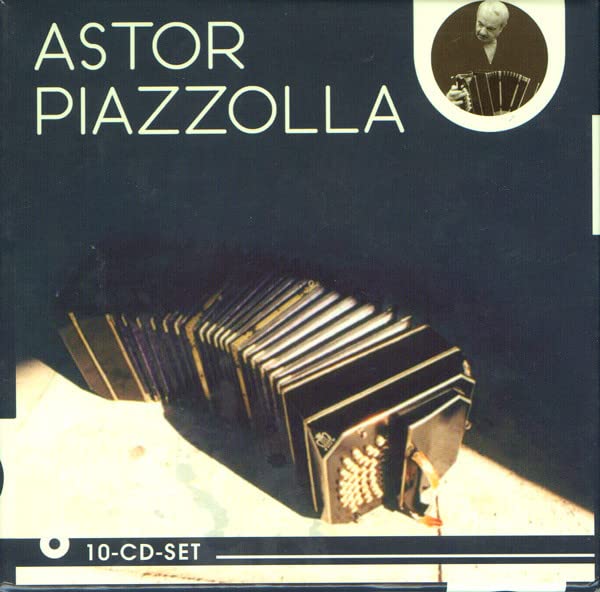
Recognized as the quintessential figure in modern tango, the collection of Astor Piazzolla CDs caters to both ardent enthusiasts of the genre and newcomers keen to explore its evolution. Piazzolla, born in 1921, transformed traditional tango into Nuevo Tango by fusing jazz and classical elements, creating a multifaceted soundscape that garnered both acclaim and controversy. His influential works, such as “Libertango” and “Balada Para Un Loco,” showcase the breadth of his artistry. With recordings featuring various collaborators, this 10-CD set offers a compelling narrative of his musical journey, despite some critique regarding liner notes, elevating your understanding of tango’s dynamic history.
Best For: This collection of Astor Piazzolla CDs is best for both passionate tango enthusiasts and newcomers looking to explore the evolution of this iconic music genre.
Pros:
- Offers a comprehensive overview of Piazzolla’s musical journey across various recordings.
- Features a diverse range of compositions, showcasing Piazzolla’s innovative fusion of jazz and classical styles.
- Affordable and accessible introduction to the influential works of Astor Piazzolla.
Cons:
- Some tracks are repeated and recorded at different times, which may be seen as redundant.
- Lacks detailed liner notes, leaving some listeners wanting more context and information.
- Sound quality can vary due to the original recording conditions, potentially affecting the listening experience.
Factors to Consider When Choosing an Astor Piazzolla Cd
When you’re choosing an Astor Piazzolla CD, consider the multifaceted aspects that define his music. Think about the recording quality, as clarity can greatly affect your listening experience; also, take note of notable compositions and the importance of collaborating musicians in shaping his innovative style. Finally, don’t underestimate the emotional depth of the music, which can greatly enrich your appreciation of Piazzolla’s tango masterpieces.
Musical Style and Innovation
Choosing an Astor Piazzolla CD requires careful consideration of his multifaceted musical style, which revolutionizes traditional tango through the innovative concept of Nuevo Tango. This genre blends elements of jazz and classical music, leading to compositions rich in complexity and emotional depth. As you explore his works, note the unexpected nuances and intricate arrangements, which distinguish them from conventional tango, broadening their appeal. Piazzolla’s signature mix of foot-tapping rhythms and slow, sensuous melodies captures the passionate, melancholic spirit of Buenos Aires. With dynamic instrumentation—bandoneon, violin, piano, and guitar—he creates an enthralling interplay of styles. Each listen reveals layers of emotional intensity and innovative structures, inviting you to engage repeatedly with his remarkable artistry.
Recording Quality and Clarity
Astor Piazzolla’s music captivates listeners not just through its innovative compositions, but also via the exceptional recording quality that often characterizes his CDs. This clarity considerably enhances your listening experience, allowing you to appreciate the intricate interplay among instruments, like the bandoneon, violin, and piano. Many reviews laud the brilliant sound quality that meets audiophile standards, reflecting a dedication to audio excellence. Albums such as *Tango Zero Hour* stand out for their outstanding acoustics, which add emotional depth to each performance. Although sound quality may vary due to original recording conditions, numerous compilations endeavor to maintain a high standard of audio clarity throughout their tracks, ensuring that every note resonates with precision and richness.
Notable Compositions to Explore
Exploring the multifaceted compositions of Astor Piazzolla opens a window into the rich tapestry of tango music, wherein each piece offers a distinct emotional and musical experience. Start with “Libertango,” a vibrant blend of tango and classical elements, renowned in concert and dance alike. Next, investigate “Balada Para Un Loco,” where lyrical melodies intertwine with intricate arrangements, capturing profound storytelling. For a more poignant exploration, listen to “Soledad,” a haunting melody that exemplifies tango’s emotional depth. Additionally, “Años De Soledad” showcases Piazzolla’s innovative jazz influences within traditional tango frameworks. Finally, the album “Tango Zero Hour” is essential, revealing complex musical dialogues through its intricate compositions and evocative improvisations, further illustrating Piazzolla’s genius in transforming tango music.
Collaborating Musicians Importance
When diving into the world of Astor Piazzolla’s CDs, the importance of collaborating musicians cannot be overlooked, as their contributions greatly shape the overall listening experience. These artists, often skilled in classical, jazz, and tango genres, enhance the multifaceted nature of his compositions. The synergy between Piazzolla and his ensemble, featuring proficient bandoneonists, pianists, and violinists, results in dynamic interpretations that showcase the innovative spirit of tango nuevo. Each ensemble—modeled after Piazzolla’s iconic quintet—offers distinct arrangements, inviting you to explore varied sonic landscapes. Additionally, the spontaneous improvisation characteristic of his style adds freshness to each performance, underscoring the necessity of quality collaboration, which greatly influences both sound quality and emotional resonance in your selected CD.
Emotional Depth of Music
The emotional depth found in Piazzolla’s music transcends mere auditory experience, as it invites you to commence on a profound journey through various sentiments. His compositions feature haunting melodies and melancholic themes, expertly blending tango’s passionate essence with slow, evocative rhythms. When choosing a Piazzolla CD, consider how the instrumentation—dominated by the bandoneon, violin, and piano—creates a rich tapestry of sound, enhancing emotional resonance. Many listeners report feeling an intimate connection to his works, which often evoke a spectrum of emotions, from elation to sorrow. Additionally, the complexity of his compositions reveals new emotional layers with each listen, urging you to deeply engage with the music, allowing you to uncover the multifaceted nature of his genius.
Historical Context and Influence
Understanding the historical context and influence of Astor Piazzolla‘s music illuminates the factors you should consider when choosing one of his CDs. As the foremost tango composer of the latter 20th century, Piazzolla revolutionized traditional tango, giving birth to Nuevo Tango, which intricately weaves elements of jazz and classical music. His innovative approach received both acclaim and controversy; while many celebrated his artistry, purists resisted his transformative vision. Recognizing Piazzolla’s impact on South American music, particularly against the backdrop of Argentina’s evolving cultural landscape, can guide you in selecting recordings that highlight his profound legacy. Notable compositions like “Libertango” and “Balada Para Un Loco” exhibit his distinctive flair and collaborative essence, showcasing the depth of his multifaceted genius.
Ideal Listening Scenarios
Selecting the right Astor Piazzolla CD hinges not only on personal preferences but also on the listening context, as different environments can profoundly enhance the experience of his music. His emotionally rich compositions are ideal for intimate settings, where you can absorb their sensual essence fully. For focused listening, choose albums with complex arrangements, allowing you to uncover the intricate layers of jazz, classical, and tango. Works like *Tango Zero Hour* complement quiet evenings or moments of reflection, enhancing the ambiance with their evocative themes. Additionally, Piazzolla’s intriguing soundscapes serve as perfect backdrops for artistic activities, fostering creativity through their dynamic rhythms. Finally, audiophiles will appreciate the exceptional recording quality, elevating the overall listening experience.
Frequently Asked Questions
What Is Astor Piazzolla’s Most Famous Composition?
Astor Piazzolla’s most famous composition is certainly “Libertango.” This multifaceted piece, with its driving rhythms and articulate melodies, captures the essence of tango while infusing elements of jazz and classical music. As you listen, you’ll find the composition evolves, showcasing Piazzolla’s innovative approach that transcends traditional boundaries. “Libertango” serves not only as a hallmark of Piazzolla’s oeuvre but also as a defining work that redefined the genre for future generations, continuing to resonate today.
How Did Piazzolla Innovate Traditional Tango Music?
Piazzolla innovated traditional tango music by incorporating elements from jazz and classical genres, creating a multifaceted soundscape. He expanded tango’s rhythmic complexity, utilizing syncopation and shifting time signatures, which broke from its conventional forms. By introducing new instrumentation, like the bandoneón, he articulated emotional depth, blending the passionate with the avant-garde. His compositions often featured intricate harmonies and dialogues between instruments, fostering an evolved narrative structure that redefined the tango experience for contemporary audiences.
Which Instruments Are Commonly Featured in Piazzolla’s Music?
In Piazzolla’s music, you’ll commonly encounter a multifaceted array of instruments that articulate the complex emotions of tango. The bandoneón stands out as a signature choice, creating rich, expressive melodies. Strings, particularly violins and cellos, add depth and warmth, while the piano provides harmonic support. Additionally, woodwinds and brass augment the texture, enhancing the rhythmic drive. Together, these instruments craft a sophisticated soundscape, allowing listeners to grasp the nuances of Piazzolla’s innovative approach.
Are There Any Contemporary Artists Influenced by Piazzolla?
Absolutely, you’ll find numerous contemporary artists influenced by Astor Piazzolla’s innovative approach to tango. Musicians like Daniel Barenboim and Yo-Yo Ma have encapsulated his multifaceted style, infusing classical elements with traditional Argentine rhythms. Additionally, bands such as Tanghetto and Bajofondo epitomize this influence, incorporating modern genres while maintaining Piazzolla’s essence. Their works articulate complex emotions reminiscent of Piazzolla, underscoring his enduring impact on today’s music landscape, bridging past and present seamlessly.
What Cultural Impact Did Piazzolla Have on Tango Worldwide?
Piazzolla’s cultural impact on tango worldwide is profound and multifaceted. He revolutionized the genre, blending traditional tango with elements of jazz and classical music, which not only transformed its sound but also expanded its audience. This innovative approach encouraged musicians globally to explore new interpretations and adaptations, fostering a renaissance in tango. As you engage with his work, you’ll appreciate how Piazzolla’s artistry elevated the genre, establishing tango as a respected art form.