As an Amazon Associate, we earn from qualifying purchases. Some links on this site are affiliate links at no extra cost to you. Our recommendations are based on thorough research and editorial judgment.

What Are Tango Events?

Tango events are multifaceted gatherings, showcasing the enchanting culture of tango dance through various formats, such as milongas, workshops, and performances. These occasions foster connections among dancers, transcending skill levels, as they explore emotional expressiveness and the intricate techniques of Argentine tango. From the competitive spirit of tango competitions to the intimate atmosphere of tango encuentros, participants engage in a rich experience that emphasizes community and cultural heritage. There’s much more to uncover about these vibrant happenings.
Key Takeaways
- Tango events are gatherings focused on practicing and performing Argentine Tango, promoting social interaction among dancers.
- Types of tango events include competitions, workshops, and milongas, each offering unique experiences for participants.
- Tango festivalitos and weekenders emphasize a small, intimate atmosphere fostering community bonding and social dancing.
- Various tango styles are represented, including Estilo Milonguero, Tango Salón, and Tango Nuevo, each adding unique cultural dimensions.
- Etiquette plays a crucial role in tango events, enhancing mutual respect and promoting a welcoming environment for all dancers.
Definition of Tango Events
Tango events, while primarily characterized by their focus on the Argentine Tango, encompass a multifaceted cultural experience that goes beyond mere dance. Rooted in a rich tango history, these gatherings reveal the dance’s origins, originating from the streets of Buenos Aires, where diverse cultural influences converged. At these social or cultural events, the atmosphere fosters connection, emotional expressiveness, and dynamic communication between partners through the intimate embrace central to tango. Unlike formal competitions, tango events prioritize social interaction, often featuring multiple milongas where dancers can engage in spontaneous improvisation, responding to the evocative rhythms of traditional music. This communal space not only preserves the art form but also cultivates appreciation for its cultural heritage, enriching the lives of all involved. Additionally, exploring the emotional dynamics of tango at these events can enhance the overall enjoyment and connection among participants.
Types of Tango Events

What distinguishes the myriad types of tango events, each with its unique characteristics and cultural significance? Tango competitions highlight the skill and artistry of dancers as they execute intricate routines, often judged on creativity and technique. These events foster a competitive spirit while showcasing diverse styles, such as tango milonguero and tango de salón. Alternatively, tango workshops offer an educational platform, providing participants with opportunities to refine their skills and explore styles in a supportive environment. Through these workshops, dancers can investigate the rhythmic intensity of tango canyengue or the innovative elements of tango nuevo, enhancing their understanding of this multifaceted dance. The blend of competition and learning cements the tango community’s rich cultural tapestry, nurturing both tradition and modernity. Additionally, having access to resources and methods for progress tracking can amplify the benefits gained from participating in these events.
Recommended Products

Dance in comfort and style with the Very Fine Icarus Practice Dance Sneakers. Suede outside and genuine leather interior to expand and fit your foot like a glove.

Authentic Spanish Sound – Toe & Heel Nails (clavos) Crisp, resonant beats make these flamenco shoes with nails the favorite of escuelas de baile and studio teachers. Perfect for flamenco dance shoes women need to master rhythm early on.

Water Resistance Level: Not Water Resistant
Focus on Tango Encuentros

While it may seem that tango events primarily revolve around performances or competitions, Encuentros Milongueros present a unique and immersive experience centered on the social aspects of Argentine tango. These gatherings, often held over a weekend, are all about fostering connections and practicing the intimate milonguero dance dynamics. Rather than focusing on instruction or showcases, participants engage in tango encuentro experiences where etiquette and tradition hold paramount importance. With classical music from the Golden Age setting the backdrop, dancers adhere to traditional roles, utilizing *mirada* and *cabeceo* to invite partners. This structured yet inviting environment encourages closeness and interaction, allowing every attendee, regardless of skill level, to truly embrace the essence of social tango—a celebration of connection and musicality. The incorporation of traditional Argentine tango highlights the authentic rhythm and emotional connection that enhance the overall dance experience.
Recommended Products

Outstanding quality - Made in Germany

3.25 inch (8 cm) gold heels

VERSATILE LEATHER CHARACTER SHOE: A classic character shoe with a full leather upper and leather lining, finished with a contoured, chic 2½" heel — equally at home in musical theatre, character, and jazz routines.
Characteristics of Tango Festivalitos and Weekenders

When considering the characteristics of Tango Festivalitos and Weekenders, it’s essential to recognize their multifaceted nature, which primarily focuses on creating an intimate and social atmosphere conducive to close embrace dancing. Tango festivalitos are typically smaller-scale events that prioritize fun and community bonding over grand performances, fostering a welcoming space for dancers of all levels. These weekend tango events usually last two to three days, combining workshops and social dances (milongas), which enhance accessibility and immersion. Furthermore, they attract a diverse demographic, allowing for bonding among participants while offering opportunities for learning and social interaction beyond the dance floor. Ultimately, the essence of these gatherings lies in their capacity to promote a vibrant, nurturing tango culture conducive to growth and connection. Additionally, the presence of specialized audio system adapters enhances the quality of musical accompaniment, creating an engaging atmosphere for all attendees.
Recommended Products

Traditional ballroom and latin shoe with a classic oxford upper in soft full grain leather
VERSATILE LEATHER CHARACTER SHOE: A classic character shoe with a full leather upper and leather lining, finished with a contoured, chic 2½" heel — equally at home in musical theatre, character, and jazz routines.

Very Fine Darius Dance Slipon Loafers. Easy, comfortable and convenient to put on and take off.
Tango Styles Represented at Events
Here’s your revised article subheading content:
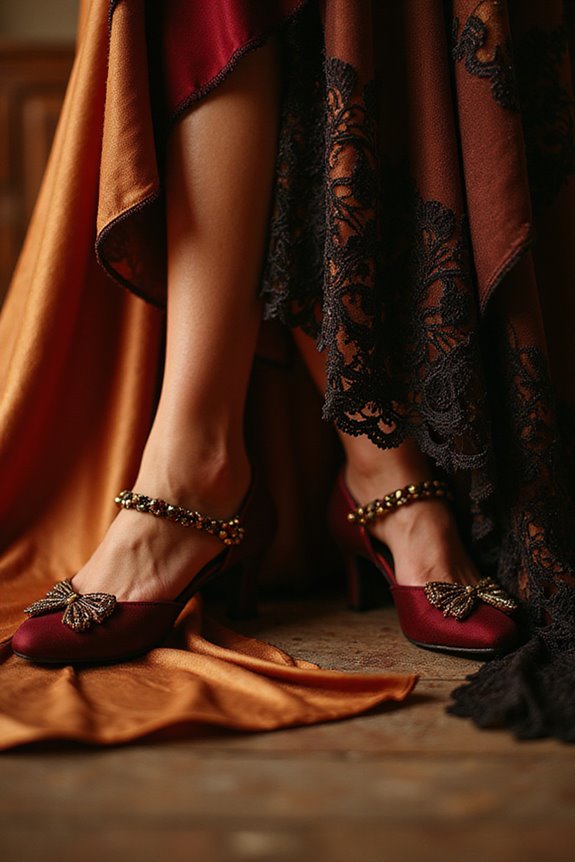
Tango styles represented at events offer a rich tapestry of dance that captures the diverse cultural influences and artistic expressions inherent in tango’s evolution. Within these events, we can witness various tango styles, each articulating unique characteristics and dance variations. For instance, the Estilo Milonguero focuses on intimate, close embraces, ideal for crowded milongas, while Tango Salón introduces a graceful, improvisational flair. Then there’s the playful nature of Tango Canyengue, which echoes its Afro-Argentine roots, and the innovative flair of Tango Nuevo, evolving with contemporary influences. Additionally, Candombe Milonga brings lively African rhythms, enriching the overall experience. Each of these tango styles contributes to a vibrant atmosphere that celebrates the multifaceted heritage of this remarkable dance. The cultural significance of tango is underscored by its expression of emotion, creating a deeper connection for those who participate in this art form.
Typical Program Features of Tango Events
The structure of tango events is multifaceted, revealing a carefully orchestrated program designed to cater to both competitive dancers and social enthusiasts alike. Events typically feature formal competitions divided into qualifying rounds, semifinals, and finals, encompassing both “Tango de Pista,” which emphasizes group performances to pre-selected recorded songs, and “Stage Tango,” where individual choreography unfolds within a four-minute music selection. Workshops also play a crucial role, presented in diverse workshop formats, allowing participants to explore essential techniques, musicality, and partner connection. Throughout the event, musical features guide dance, encouraging dancers to appreciate tango’s intricate structure and rhythmic variations. This blend of competition, education, and social interaction creates a vibrant atmosphere that satisfies all attendees’ aspirations and interests. Additionally, regular participation in social events deepens overall appreciation for tango through real-world experience, enhancing both skill and enjoyment.
Recommended Products

Classical elegance and beauty. For women who desire to look, feel and be their best. You will love the way Very Fine Delphine Dance Shoes complement your beauty and grace on the dance floor.

Duo Sole Design: Suede sole with rubber insert offers optimal grip and slide.

Cultural and Social Aspects of Tango Events
As we explore the cultural and social aspects of tango events, it becomes evident how deeply intertwined they are with the dance’s rich history and communal significance. Emerging in the late 19th century, tango history reveals a multifaceted narrative rooted in working-class, immigrant experiences. The cultural fusion of African rhythms, European styles, and Cuban dances fosters a dynamic social landscape. Initially marginalized, tango has transformed into a symbol of identity, offering communities a space to express emotions through dance. These events now act as cultural hubs, encouraging improvisation and artistic interpretation while celebrating diverse traditions. By engaging in tango, participants not only connect personally but also contribute to the ongoing dialogue of cultural preservation and evolution, enriching the global dance community.
The Importance of Etiquette and Community in Tango
While attending a tango event may seem like a simple recreation, the etiquette and sense of community surrounding this dance form are profound, serving as essential components that enhance the overall experience. The dance floor dynamics hinge on mutual respect, where personal hygiene and appropriate presentation reflect one’s consideration for others. Proper partner communication is cultivated through the cabeceo, a subtle, non-verbal invitation that fosters comfort and minimizes awkwardness. Furthermore, the ronda’s flow guarantees that dancers navigate gracefully, preserving both safety and harmony. Engaging respectfully—whether through silent acknowledgment or maintaining concentration during performances—demonstrates a commitment to the community. Ultimately, these elements not only elevate the shared experience but also deepen connections among participants, reinforcing the tango’s rich cultural tapestry.
Frequently Asked Questions
What Should I Wear to a Tango Event?
I’d wear something stylish yet comfortable, like a knee-length dress or tailored trousers. Embracing tango fashion enhances my presence, while following event etiquette shows respect for the dance and my partner. Comfort is key for dancing!
How Do I Choose the Right Tango Event for Me?
Choosing the right tango event’s like finding gold among stones! I consider my skill level, preferred tango styles, and event locations. With so many options, I guarantee it matches my vibe and social needs!
Are Tango Events Suitable for Beginners?
Absolutely, tango events can be suitable for beginners! I’d recommend focusing on tango basics first. Some beginner tips include attending Practicas and understanding social etiquette, which made my initial experience much more enjoyable and comfortable.
Can I Attend a Tango Event Alone?
Absolutely, I can attend a tango event alone! It’s interesting that 70% of attendees are solo dancers. By respecting tango etiquette, I’ll find connections while enjoying solo dancing in a welcoming atmosphere.
What Should I Bring to a Tango Event?
When I attend a tango event, I always bring tango essentials like spare shoes and outfits for comfort. Understanding event etiquette also helps me connect better with others and enjoy the experience to the fullest.