As an Amazon Associate, we earn from qualifying purchases. Some links on this site are affiliate links at no extra cost to you. Our recommendations are based on thorough research and editorial judgment.


What Is Tango Practice?

Tango practice, or *práctica*, represents a vital element in the transformative journey of tango dancing. It fosters an environment where dancers can refine their technique, enhance their musicality, and cultivate stronger connections with their partners. This multifaceted practice not only emphasizes essential movements and fundamental steps but also promotes mindfulness, emotional expression, and spatial awareness. By engaging deeply in this practice, I can appreciate the intricate balance of technique and artistry, leading to more enriching dance experiences. There’s much more to explore in this enchanting art form.
Key Takeaways
- Tango practice, or *práctica*, focuses on improving dancers’ technique, musicality, balance, and partner connection in an unpressured environment.
- Regular practice is essential for mastering tango nuances and offers health benefits such as improved balance and cardiovascular conditioning.
- Proper etiquette, including respecting space and giving feedback, is crucial to enhance the social and technical aspects of tango.
- Mindfulness during practice enhances emotional expression, fostering deeper connections between partners and improving overall dance quality.
- Engaging in fundamental techniques and turns aids navigation and communication within the dance, ensuring a fluid experience in the *ronda*.
Definition of Tango Practice
Tango practice, commonly referred to as *práctica*, represents an essential aspect of a dancer’s development, offering a multifaceted environment where individuals can refine their skills in an unpressured setting. The essence of *práctica* lies in its focus on improving technique, musicality, balance, and partner connection, all within a framework of tango terminology that promotes understanding. During these sessions, dancers can experiment and explore, whether they’re practicing foot placement or enhancing their partner embrace. Adhering to practice etiquette is important too; we respect our fellow dancers by observing space and offering constructive feedback. Unlike social dances, the *práctica* provides an invaluable opportunity to repeat, correct, and articulate movements, ultimately paving the way for a more expressive and personal tango style. Additionally, wearing proper footwear during practice, such as shoes with natural suede soles, enhances grip and slip balance, facilitating better movement and technique.
Importance of Regular Practice
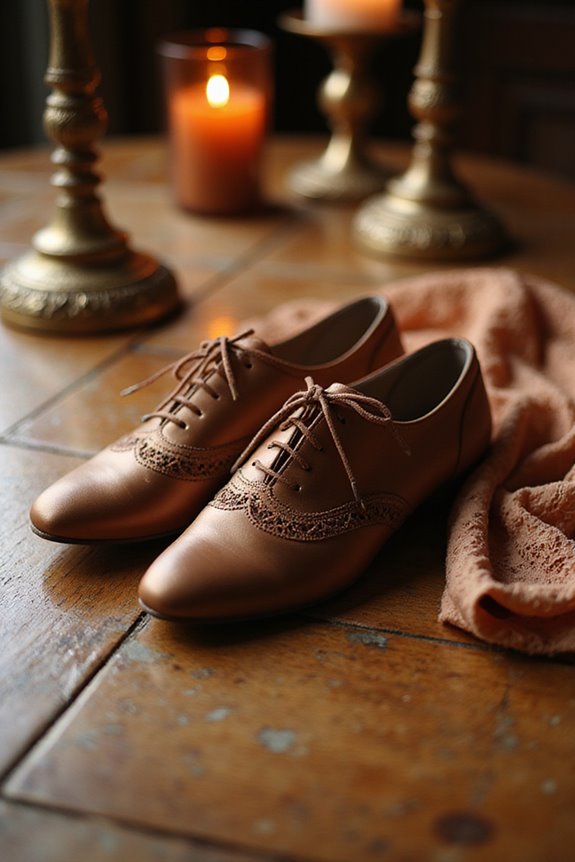
Engaging in regular practice is imperative not only for mastering the nuances of tango but also for reaping a plethora of physical, cognitive, emotional, and social benefits. The health benefits of tango are compelling; it improves balance, core strength, and cardiovascular conditioning, all essential for overall wellness—especially as we age. From a cognitive perspective, practicing tango enhances memory and stimulates critical thinking, promoting rapid decision-making and cognitive improvement. The mental focus required fosters mindfulness, akin to “walking meditation,” reducing mental fatigue. Furthermore, the social aspect, with its emphasis on communication and connection, mitigates feelings of loneliness and isolation. Regular tango practice serves as a holistic approach, intertwining physical exertion with cognitive and emotional enrichment, ultimately enhancing our quality of life. Additionally, incorporating essential tango dance shoes can significantly improve comfort and balance during practice sessions.
Fundamental Techniques and Steps

When initiating the journey of mastering the fundamental techniques and steps of tango, one discovers that this dance form is not merely a series of movements but rather a multifaceted expression of art and connection, intricately woven together through rhythm and body language. The basic footwork centers on five essential steps, executed over eight musical counts, where slow movements consume two beats and quick steps one. Proper body positioning is vital; dancers embrace closely, with bent knees facilitating fluidity. Each lead or follow must execute their respective steps with precision—forward, backward, and sideways shifts—while ensuring weight remains balanced over the toes. This careful attention to technique is what forms the foundation of our tango experience, enabling us to engage in this passionate dance. Furthermore, it is crucial to choose the right tango shoes to enhance comfort and performance on the dance floor.
Recommended Products

Outstanding quality - Made in Germany

3.25 inch (8 cm) gold heels

VERSATILE LEATHER CHARACTER SHOE: A classic character shoe with a full leather upper and leather lining, finished with a contoured, chic 2½" heel — equally at home in musical theatre, character, and jazz routines.
Approaches to Enhance Technique
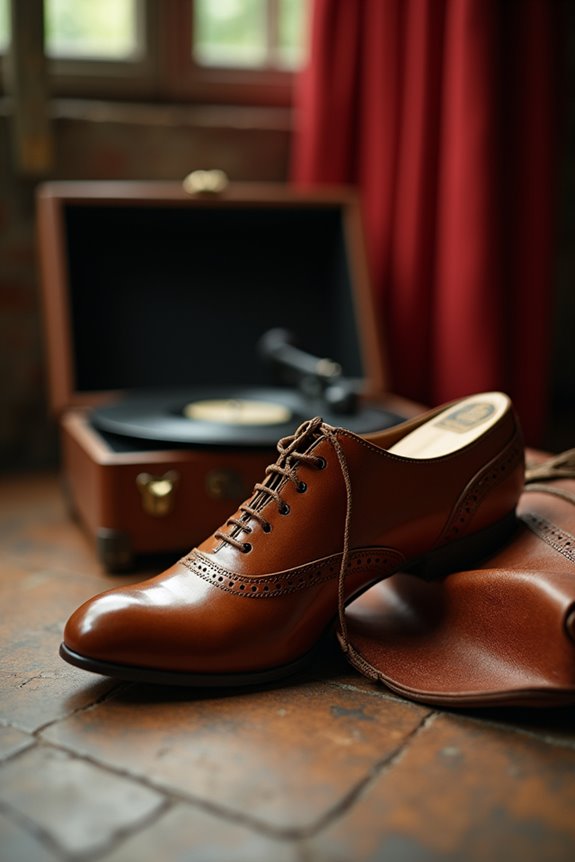
Though mastering tango may seem challenging, multiple approaches exist to enhance one’s technique, ultimately enriching the dance experience. Focusing on body alignment is essential; maintaining a straight spine and lifted chest establishes balance and elegance. Weight shifts are important for step precision, enabling dynamic responsiveness and control. Emphasizing footwork precision—ensuring parallel feet and striking the floor correctly—dramatically influences leg line aesthetics and movement flow. Engaging core muscles and balancing tension and relaxation within the legs enhances muscle engagement, supporting elongated steps and pivots. Additionally, selecting the right heel height preference can significantly impact a dancer’s performance and comfort on the dance floor. Finally, cultivating artistic expression through embellishments and rhythm allows for a personal touch in performance. By integrating these approaches, we can profoundly elevate our tango technique and deepen our connection to this beautiful dance.
The Role of Turns in Navigation
Maneuvering the dance floor in tango requires a multifaceted approach, where the art of movement is intricately connected to the execution of turns, or giros. Mastering turn techniques not only enhances communication with my partner but also enriches the fluidity of our dance. Each turn serves as a navigation strategy, allowing me to adapt dynamically within the *ronda* while maintaining spatial awareness. By practicing simple turns, I can scan the floor, decide when to advance or hold still, and fill vacated spaces without disrupting the overall flow. These controlled movements not only foster confidence on crowded floors but also preserve the delicate balance between partners, ensuring our experience remains harmonious and enjoyable as we navigate through the vibrant dance environment. Additionally, understanding progress tracking methods can further enhance my development in executing these essential movements.
Exploring Dance Styles and Techniques
Exploring the diverse dance styles and techniques within tango reveals a rich tapestry of movement and cultural expression that goes beyond mere physical coordination. The Argentine Tango captivates me with its emphasis on dance improvisation, where spontaneous partner connection defines each performance. In contrast, Tango de Salon emphasizes a smooth flow within a closed embrace, promoting a strong yet gentle emotional exchange. Nuevo Tango, with its contemporary elements, opens up possibilities for movement and musical expression, allowing for greater creativity. Each style, while distinct, requires a grounded tango posture that enables fluid body dynamics, fostering harmony between partners. The interplay of these techniques not only showcases individual artistry but also enriches the collective experience of tango’s vibrant community, particularly in understanding musical dynamics that shape the emotional depth of each dance.
Recommended Products

Authentic Spanish Sound – Toe & Heel Nails (clavos) Crisp, resonant beats make these flamenco shoes with nails the favorite of escuelas de baile and studio teachers. Perfect for flamenco dance shoes women need to master rhythm early on.

Traditional ballroom and latin shoe with a classic oxford upper in soft full grain leather
VERSATILE LEATHER CHARACTER SHOE: A classic character shoe with a full leather upper and leather lining, finished with a contoured, chic 2½" heel — equally at home in musical theatre, character, and jazz routines.
Advanced Figures and Variations
As I explore the world of advanced tango figures and variations, it becomes evident that each intricate movement not only showcases technical prowess but also embodies a rich interplay of interpretation and expression between partners. The execution of advanced embellishments transforms the dance into a multifaceted conversation, where elements like boleos, executed with varying heights and speeds, create a dialogue of musicality. Intricate sacadas, or leg displacements, demand acute timing and spatial awareness, allowing for seamless shifts between figures. Techniques such as colgadas and volcadas harness our shared axis, enhancing the connection. Coupling these elements with dramatic full turns or overturned ochos, we craft an exhilarating narrative, articulating both storytelling and emotional expression that elevates our tango practice to new heights.
Recommended Products

Classical elegance and beauty. For women who desire to look, feel and be their best. You will love the way Very Fine Delphine Dance Shoes complement your beauty and grace on the dance floor.

Duo Sole Design: Suede sole with rubber insert offers optimal grip and slide.

Creating a Joyful Tango Experience
While dancing tango, one discovers that the essence of joy lies not merely in the technical execution of figures but in the profound emotional connection cultivated through the dance. This joyful connection arises from the intertwining of musicality and movement, where each pivot and weight shift fosters an intimate dialogue between partners. Embracing mindfulness during practice enhances our emotional expression, allowing us to genuinely convey feelings—from vulnerability to bliss—without distraction. Engaging with controlled movements nurtures an elegant flow, making each shared moment feel significant. As I refine my solo technique, I free my mind to focus on my partner, deepening our connection. Ultimately, it’s this harmonious blend of technical mastery and emotional depth that transforms tango into a truly joyful experience.
Frequently Asked Questions
How Can I Practice Tango at Home Effectively?
I practice tango effectively at home by doing solo exercises and technique drills daily. Utilizing a mirror helps me refine my posture, while focusing on foot strength and balance enhances my overall dancing skills.
What Should I Wear During Tango Practice?
Dancing’s a blossoming flower, and during tango practice, I always wear comfortable attire and supportive dance footwear. Flowing fabrics and well-fitted shoes let me move freely, expressing each step without constraint or discomfort.
Is It Necessary to Dance With a Partner While Practicing?
Yes, dancing with a partner is essential for understanding partner dynamics in Tango. While solo practice can improve technique, nothing compares to the responsiveness and connection gained from working closely with another dancer.
How Do I Find Tango Practice Sessions in My Area?
Finding tango practice sessions in my area’s like uncovering a hidden treasure! I plunge into local tango community websites, social media groups, and event listings, discovering vibrant social events that spark my passion for dance.
What Music Is Best for Tango Practice Sessions?
For my tango practice sessions, I love using classic tango music like Carlos Di Sarli and Juan D’Arienzo. I also create practice playlists with a mix of modern tracks for variety and inspiration.