As an Amazon Associate, we earn from qualifying purchases. Some links on this site are affiliate links at no extra cost to you. Our recommendations are based on thorough research and editorial judgment.


When To Argentine Tango?

When to Argentine Tango? The multifaceted nature of Argentine tango allows for unique experiences at various times. Daytime classes, for instance, offer a relaxed environment conducive to skill development, while evening milongas create an electrifying ambiance for social dancing. In addition, tango marathons provide immersive experiences but require preparation to manage fatigue effectively. Balancing these elements can enhance your overall enjoyment and growth. There’s much more to explore about these dance opportunities and their nuances.
Key Takeaways
- Daytime classes are ideal for focused technique practice in a relaxed environment.
- Evening milongas create a vibrant ambiance for social dancing and connection.
- Engage in tango marathons for immersive experiences lasting 12 to 24 hours.
- Beginners should enroll in structured classes to develop essential skills and confidence.
- Choosing the right venue enhances the overall tango experience, depending on your dancing aspirations.
The Ideal Times to Dance
When’s the best time to dance Argentine tango? The answer, while multifaceted, often revolves around personal circumstances and community culture. I’ve found that daytime classes present a valuable opportunity for those juggling commitments, fostering a relaxed environment that prioritizes technique without the fatigue of late-night milongas. Conversely, tango marathons, lasting 12 to 24 hours, challenge endurance but offer an immersive experience, drawing dancers into a vibrant community. These marathons, while exhilarating, can lead to significant fatigue, necessitating careful preparation and rest. Additionally, attending dance classes that feature personalized attention can significantly enhance your skills and confidence on the dance floor. Ultimately, balancing daytime learning with the electrifying ambiance of evening events seems key, allowing one to thrive without succumbing to the potential circadian disruptions that accompany nighttime dancing.
Understanding Tandas
The framework of a milonga, with its intricate dance patterns and communal atmosphere, largely hinges on the concept of tandas. A tanda typically comprises 3 to 5 pieces of music that share a cohesive tanda structure, enhancing the dance experience through musical consistency. This consistency, often derived from a single orchestra or era, allows us to connect emotionally with the music and our partners. Each tanda usually spans about 12 to 15 minutes, facilitating sustained engagement without inducing fatigue. Essential, the interspersed cortinas serve as musical pauses that mark the end of a tanda, providing an opportunity to reset. Consequently, tandas form a social contract, fostering trust and encouraging meaningful dance exploration within a defined temporal framework. Moreover, the choice of music within tandas is crucial, as tracks with a strong, steady pulse help dancers synchronize their movements and express the emotional nuances of tango.
Recommended Products

Choosing the Right Milonga
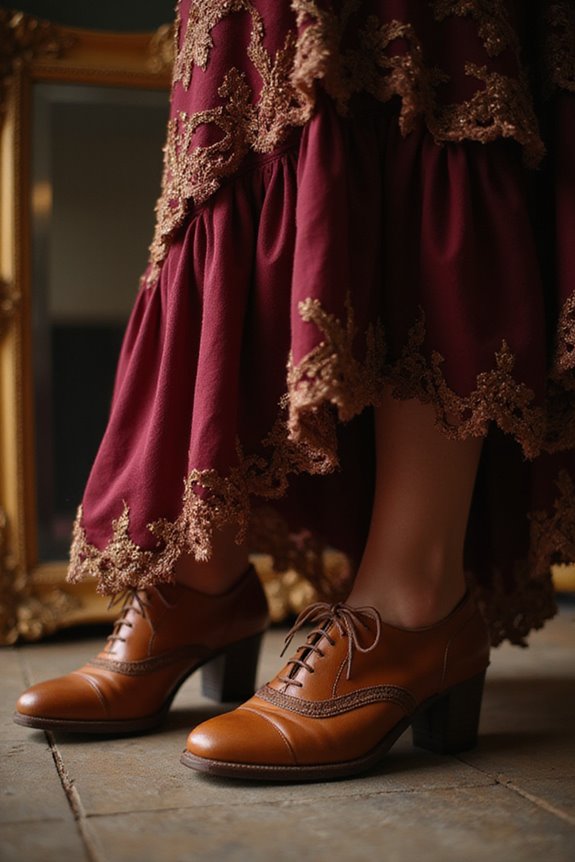
How can one discern which milonga suits their dancing aspirations and social preferences? The choice hinges primarily on the milonga ambiance and music selection. For example, if you desire a relaxed setting, community center milongas may offer a welcoming atmosphere, while elegant events in theaters cater to those seeking a formal experience. Lighting and seating arrangements can greatly influence your comfort and engagement. Furthermore, the expertise of the DJ is essential; a knowledgeable DJ specializing in authentic Argentine tango enhances the event’s vibrancy through well-curated tandas. This selection not only embodies traditional elements but also shapes the dance dynamics. Ultimately, understanding the venue, crowd, and timing helps align your experience with your aspirations in this multifaceted world of tango. Additionally, tango shoes that offer proper support and comfort can greatly enhance your enjoyment during these events.
Recommended Products

Authentic Spanish Sound – Toe & Heel Nails (clavos) Crisp, resonant beats make these flamenco shoes with nails the favorite of escuelas de baile and studio teachers. Perfect for flamenco dance shoes women need to master rhythm early on.

COMFORTABLE AND FLEXIBLE: The Women's Splitflex T-Strap Character Dance Shoe is designed to provide maximum comfort and support during dance routines. The shoe features a split sole design that allows for greater flexibility and range of motion, while the T-strap gives extra support to the foot.

Very Fine Darius Dance Slipon Loafers. Easy, comfortable and convenient to put on and take off.
Recognizing the Dance Floor Flow
Recognizing the dance floor flow is fundamental in cultivating both skill and confidence within the vibrant world of Argentine tango. The dance floor dynamics operate like a subtle ecosystem, requiring each dancer to navigate traffic with respect and mindfulness. Before entering the floor, it’s essential to establish eye contact with nearby leaders; this encourages a harmonious entry that honors the ongoing movements of others. Once positioned, I remain in my lane, ensuring smooth continuity throughout the tanda. Using the line of dance—counterclockwise—reduces collisions and promotes seamless interactions. Furthermore, staying aware of my surroundings allows me to dance skillfully, even in tight spaces, enabling me to honor the communal essence of tango while enhancing my own experience and that of others. Strong communication and interpersonal skills further support a collaborative atmosphere on the dance floor, allowing for deeper connections between partners.
When Beginners Should Join
Starting on the journey of Argentine tango can seem overwhelming, yet there’s an ideal time for beginners to engage with this intricate art form. Typically, beginner classes, such as an extensive 12-week program, provide structured opportunities to learn the dance foundations. It’s essential to start at the beginning of such courses, as skills develop progressively. Enrolling in these classes often requires advance registration, ensuring commitment to the learning path. These sessions focus on fundamental skills, including basic steps, posture, and connection. Additionally, attending one to two classes weekly enhances understanding and muscle memory, fostering a solid foundation. Repeating beginner programs can further build confidence, ensuring a smoother shift to intermediate levels as foundational competencies flourish through careful practice and repetition. Emphasizing step-by-step modeling in lessons can significantly aid beginners in mastering essential movements.
Recommended Products


Events and Festivals for Dancing
When considering the vibrant world of Argentine tango, one quickly realizes that events and festivals offer a multifaceted approach to immerse oneself in this enchanting dance form. With over 400 tango festivals and marathons occurring globally each year, dance tourism thrives alongside opportunities for cultural immersion. Notable events, such as the Buenos Aires Tango Festival in August and various European festivals from May through August, create a rich tapestry of experiences attracting dancers from around the world. Each festival comprises workshops, performances, and social milongas, promoting not only technical skill but also communal bonding among participants. These gatherings also encourage a deeper emotional connection, enhancing one’s appreciation for the emotional aspects of tango. Whether one prefers the dynamic atmosphere of a marathon or the diversity of a festival, these gatherings ultimately enhance our appreciation of tango’s cultural heritage.
Recommended Products

Duo Sole Design: Suede sole with rubber insert offers optimal grip and slide.

Fit: If you are used to the snug fit of performance dance shoes, we recommend ordering a half size down from your regular street sneakers. Dance sneakers hsould be snug to pretct your feet and ankles during strenuous dance movesDance in comfort and style with the Very Fine Icarus Practice Dance Sneakers. Suede outside and genuine leather interior to expand and fit your foot like a glove.

Practicing Before Social Dancing
Having explored the myriad of events and festivals that celebrate the vibrant culture of Argentine tango, it becomes evident that nurturing one’s skills through practice is paramount for a successful experience in social dancing. Engaging in practica sessions allows us to refine fundamental practice techniques, such as the basic tango walk and core figures like the ocho cortado, which serve as the building blocks of our tango journey. Additionally, these sessions provide a supportive atmosphere, essential for confidence building, as they focus on repetition without social pressure. Shifting from practica to milonga facilitates the incorporation of improvisation and adherence to social codes. Ultimately, mastering these elements enriches our connection to music and enhances our overall tango experience, awaiting the thrill of social dance.
Recommended Products

Outstanding quality - Made in Germany

Outstanding quality - Made in Germany

Fit: Performance Dance Shoes are meant to be snug around your feet. They will form to your feet over time but should always be very snug to protect your feet and ankles, especially during strenuous dance moves. Very Fine Wide Adrian Ballroom Dance Shoe is expertly hand crafted with genuine supple leather exterior for an extraordinary fit and feel. Try them now, your feet will thank you.
Frequently Asked Questions
What Should I Wear to a Tango Milonga?
For a tango milonga, I recommend elegant dance attire that hugs your curves. Don’t forget tango shoes—opt for something with a leather sole for smooth turns and balance. Comfort’s key, so make sure you can move freely!
How Can I Find a Tango Partner?
Finding a tango partner’s like dancing through a crowded room—embrace local classes and explore tango dance venues. They’re where connections flourish, bringing rhythm into my life and transforming strangers into cherished dance partners.
Are There Age Restrictions for Dancing Tango?
There aren’t any age restrictions for dancing tango! I’ve found that the tango community welcomes everyone, emphasizing connection and expression. The benefits of tango, especially for seniors, are profound and truly enriching for all ages.
Can I Dance Tango Without Formal Lessons?
Absolutely, you can dance tango without formal lessons! I’ve learned tango basics through self-taught techniques, focusing on movement essence and musicality. Embrace improvisation and enjoyment; the passion is what truly makes the dance come alive!
What Is the Significance of the Cabeceo?
The cabeceo’s significance lies in its etiquette and advantages. It fosters respect, prevents embarrassment, and allows for smooth interactions. I value how it preserves dignity while connecting us emotionally through tango’s rich cultural tradition.