As an Amazon Associate, we earn from qualifying purchases. Some links on this site are affiliate links at no extra cost to you. Our recommendations are based on thorough research and editorial judgment.


Are There Tango Music?

Absolutely, tango music exists as a multifaceted genre that reflects a rich historical journey. Emerging in the late 19th century, it’s deeply influenced by African rhythms, European dances, and indigenous sounds, creating a unique sonic tapestry. Characterized by intricate rhythms, emotive melodies, and distinctive instruments like the bandoneón, tango articulates themes of love and nostalgia. This vibrant cultural expression transcends borders, evolving while honoring its roots. If you’re curious about its diverse elements, there’s much more to explore.
Key Takeaways
- Yes, tango music exists and originated in the late 19th century along the Rio de la Plata in Argentina and Uruguay.
- It features rich influences from various traditions, including Cuban habanera, Argentine milonga, and Uruguayan candombe.
- Key instruments such as the bandoneón, violin, guitar, and double bass contribute to its distinctive sound and emotional expression.
- Tango music embodies themes of love, nostalgia, and cultural identity, making it a significant art form.
- The genre has evolved globally, adapting to local cultures while maintaining its historical roots and emotive character.
The Origins of Tango Music
Although many might think of tango solely as a dance form, the music that accompanies it possesses a rich tapestry of influences that reflect the diverse cultural milieu of the late 19th century. Tango rhythms emerged from the confluence of various traditions, particularly the Cuban habanera, the Argentine milonga, and the Uruguayan candombe. This multifaceted blend, enriched by African rhythms, contributed to the energetic dynamics and syncopation characteristic of early tango. As I explore its dance origins, I see how these cultural exchanges among impoverished neighborhoods in Buenos Aires and Montevideo fostered a communal spirit. European immigrants played a significant role, bringing instruments and styles, thereby shaping tango’s distinctive sound and ensuring its evolution amidst changing social landscapes. The emotional connection inherent in tango music draws dancers into a passionate embrace, enhancing the overall dance experience.
Musical Characteristics of Tango

The exploration of tango music reveals a multifaceted auditory experience characterized by intricate rhythms and emotive melodies that resonate with both dancers and listeners alike. The rhythmic complexity of tango, often grounded in 2/4 or 4/4 time signatures, showcases syncopated rhythms and accentuated notes, creating a dynamic pulse. Melodic phrasing typically features a “question and answer” format, enhancing its emotional expression. Instrumental interplay between the bandoneón, violin, and guitar adds richness, allowing for improvisational elements that punctuate the song structure. Each composition typically consists of distinct sections that facilitate not just listening but also dancing, as dancers anticipate musical shifts, expertly maneuvering through the emotional landscape conveyed through tango’s powerful, passionate, yet melancholic melodies. Additionally, nearly 70% of contemporary tango ensembles incorporate the accordion, which plays a vital role in articulating intricate melodies and rhythms of tango music.
Recommended Products
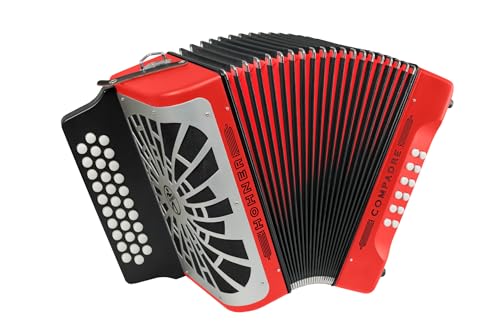
Ergonomics: Features an adjustable bass strap and redesigned wide open grille for greater volume

Diatonic Accdion in the Keys of FBbEb (FA) with 31 Treble Buttons 12 Bass Buttons - Black

Comes with adjustable bass strap and redesigned wide open grille allwoing for greater volume.
Historical Development of Tango
When we explore the historical development of tango, we uncover a rich tapestry interwoven with diverse cultural influences, social dynamics, and artistic evolution. Emerging in the late 19th century along the Rio de la Plata, tango’s evolution reflects a unique blend of African rhythms, Spanish-Cuban habanera, Argentine milonga, and Uruguayan candombe. It’s fascinating how these dance styles coalesced in the immigrant neighborhoods of Buenos Aires. By the early 1900s, tango blossomed, gaining popularity both locally and internationally, despite initial societal resistance due to its associations with lower-class venues. As it spread across Europe and North America, adaptations emerged, illustrating tango’s dynamic nature. This trajectory highlights tango’s transformative power, shaped by historical contexts that influence interpretations and expressions on the dance floor, shaping not just music but cultural connections worldwide.
Recommended Products

screwdrivers

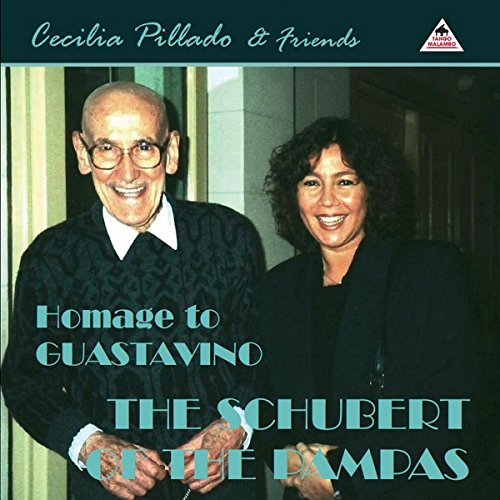
DE ANGELIS ALFREDO TANGOS SENTIMENTALES
Key Instruments in Tango Music
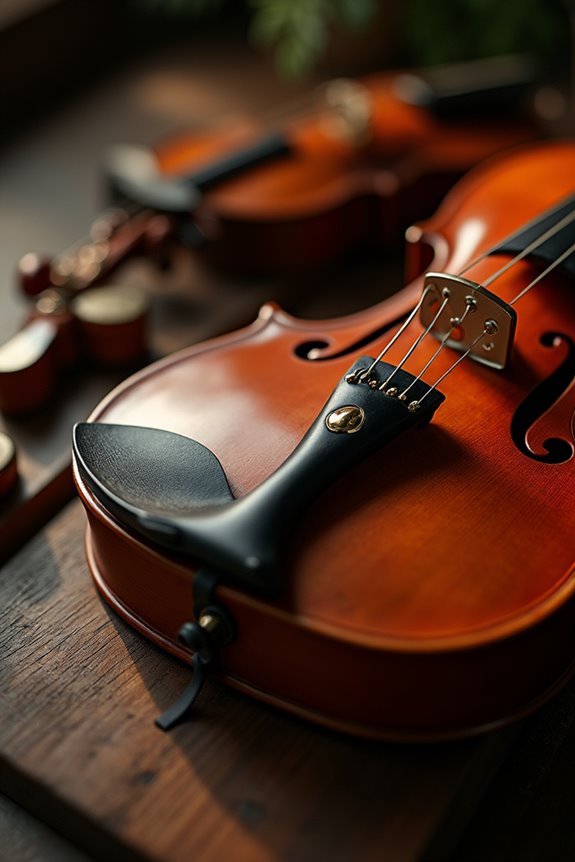
Music is an intricate tapestry, and in the sphere of tango, key instruments contribute greatly to its distinctive sound. The bandoneon dynamics are central, offering deep, rich tones that articulate the genre’s emotional highs and lows. Layered beneath, the double bass provides a foundational pulse, while piano harmonization supports lead melodies with rhythmic precision. Violin expressions enhance the drama, weaving lyrical lines that resonate deeply. Guitar rhythms add versatility, shifting from rhythmic backbone to melodic accompaniment. Adding to the richness, flute embellishments and clarinet textures introduce ornamental flourishes, creating a multifaceted auditory experience. Together, these instruments convey the essence of tango, drawing listeners into its passionate and nuanced domain, while shaping the emotional landscape that defines this enchanting music. The choice of guitar string quality is particularly vital in achieving the warm sound essential for tango.
Recommended Products

PROFESSIONAL GUITAR STRINGS: Discover your guitar’s true voice. These strings are designed with higher tensile strength and tin-plated core wire to enable a full and balanced tone, a quicker response, and an increased tuning stability. They’re available in extra light, custom light, light, and medium gauges.

DON’T RUN OUT - 12 individually packaged sets.

CORROSION-RESISTANT, EXTENDED LIFE: XS Phosphor Bronze strings have the longest life of any D’Addario acoustic string, with no fraying, peeling, or tonal dampening, thanks to the ultra-thin XS film coating.
Cultural Significance of Tango
Cultural significance permeates every aspect of tango, as this dance and musical genre serves not only as an artistic expression but also as an essential conduit for the history and identity of its people. Tango’s symbolism resonates profoundly with both immigrant roots and national pride, articulating the struggles and triumphs of their journey. Its origins reflect a rich cultural syncretism, merging African rhythms and European dances, embodying the multifaceted identity of those who shaped it. As tango evolved, its emotional lyrics, often reflecting themes of love and nostalgia, shaped a collective memory, interweaving personal experiences with broader societal narratives. Ultimately, tango stands as a potent emblem of Argentine identity, continuously fostering cultural cohesion and resilience in the face of challenges. Today, the genre’s evolution is further enriched by tango jazz fusion influences that combine traditional elements with modern improvisation.
Social Context of Tango Music
Although tango music often evokes images of passionate dancers and vibrant city streets, its social context is rooted in the diverse and complex origin story that shaped its evolution in Argentina. Emerging from the working-class neighborhoods of Buenos Aires in the late 19th century, tango music became a multifaceted expression of social integration among European immigrants, freed slaves, and Indigenous peoples. Initially stigmatized by the elite due to its associations with brothels and lower socioeconomic status, tango fostered community bonding through milongas, spaces where diverse groups connected, emphasizing belonging and cultural pride. As tango transformed and crossed class boundaries, it retained its essential function as a platform for emotional expression, showcasing the resilience and unity of marginalized urban identities. The cultural significance of tango music continues to resonate today, highlighting its enduring connection to Argentine society.
The Evolution of Tango Over Time
The journey of tango music reveals a multifaceted evolution, reflecting both the intricate cultural tapestry of Argentina and the shifting social dynamics within its urban landscapes. Beginning in the late 19th century, tango emerged from the diverse influences of European immigrants, African rhythms, and local traditions, resulting in unique tango styles such as tango criollo. As time progressed, evolving rhythms transformed, especially during the Guardia Nueva phase, where tango adopted the Cuarto rhythm, giving way to a new musical complexity. The Golden Age saw orchestras flourish, honing sophisticated melodies while retaining emotional depth. Despite political turbulence that challenged its popularity, tango endured, morphing into a global phenomenon, showcasing its resilience and richness in a constantly changing world.
Modern Interpretations of Tango
Modern interpretations of tango reveal a vibrant tapestry woven from tradition and innovation, showcasing how this genre continues to evolve and resonate in today’s diverse musical landscape. Artists like Bajofondo illustrate this journey, expertly blending classic tango with rock, hip-hop, and electronic elements, ultimately resulting in dynamic works that captivate audiences worldwide. The 2019 album *Aura*, for example, demonstrates their creative tango fusion, integrating psychedelia with various Latin influences. Similarly, ensembles like Pedro Giraudo Tango Quartet and Tan Goldberg explore new soundscapes while respecting tango’s rhythms and melodies. Through innovative orchestration and electrifying live performances, these modern tango artists successfully bridge the gap between eras, making tango accessible, appealing, and relevant for a new generation of listeners and dancers.
Recommended Products


The Bandoneón: Heart of Tango
In the world of tango music, the bandoneón stands as a quintessential symbol, an instrument whose multifaceted nature shapes the very essence of the genre. This hand-held squeezebox, born from German craftsmanship, arrived in Argentina, where it quickly became integral to the tango’s emotional expression. Its unique timbre and expansive tonal range, covering nearly five octaves, allow for intricate and poignant phrasing that resonates deeply within the listener’s heart. As I explore the tango ensembles, I can’t help but admire how composers and performers rely on the bandoneón, often pairing it with piano and strings, to articulate themes of longing and passion. This instrument truly embodies the soul of tango, magnificently bridging tradition and emotion in every note.
Recommended Products

German 41Key120Bass Accordion - Durable for All Scenarios:Built for touring, stage performance and daily practice, with reinforced steel corners and lambskin bellows for consistent concert tones. German core parts stand up to live gigs/recording/lessons—perfect for adult pros, advanced players and serious beginners.


Tango’s Global Influence and Legacy
While exploring the rich tapestry of tango, one quickly discovers how its multifaceted nature has transcended borders, evolving into a global phenomenon. Tango globalization highlights its geographic spread, flourishing in cities from Buenos Aires to Tokyo, while retaining strong cultural ties that adapt to local identities. This enduring genre reflects a powerful vehicle for cultural exchange, merging influences from African, European, and indigenous elements. Tango fosters international dialogue, promoting understanding among diverse communities, as its music and dance navigate various cultural landscapes. Furthermore, the genre’s evolution showcases a dynamic blend of traditional rhythms with modern innovations, emphasizing the significance of this art form in uniting people and celebrating shared human experiences, ultimately solidifying tango’s legacy as a profound cultural emblem.
Frequently Asked Questions
What Are Some Famous Tango Songs to Listen To?
Did you know that over 1,000 tango songwriters have shaped this genre? I love listening to classics like “Por una cabeza” featuring bandoneón, violin, and piano, which beautifully showcase popular tango instruments and enthralling storytelling.
How Can I Learn to Dance Tango?
To learn tango, I suggest joining dance classes for structured guidance, blending practice techniques like basic steps and body positioning. Regularly practicing will boost my confidence and improve my connection with my partner.
Are There Annual Tango Music Festivals?
Yes, there are annual tango festivals worldwide! I love exploring tango festival locations like Buenos Aires and Rome, where you’ll find vibrant tango music genres, passionate dancers, and a rich cultural experience that’s simply unforgettable.
Who Are the Most Famous Tango Composers?
In tango history, composers like Astor Piazzolla and Carlos Gardel stand out. Their unique styles influenced generations, blending traditional elements with jazz and classic techniques, creating a rich tapestry of music that resonates globally.
What Is the Typical Attire for Tango Performances?
Tango performances feature dramatic dance costumes that embody tango fashion. I love how elegant dresses for women highlight movement, while men opt for sharp suits, ensuring they express the dance’s passion and grace through attire.