As an Amazon Associate, we earn from qualifying purchases. Some links on this site are affiliate links at no extra cost to you. Our recommendations are based on thorough research and editorial judgment.

Who Is Tango Music?

Tango music is a multifaceted genre originating in the late 19th century within the vibrant cultural milieu of Buenos Aires and Montevideo. It articulates the diverse immigrant experiences, blending African, European, and Latin American influences into a rich auditory tapestry. Characterized by its rhythmic complexity and emotional themes of love and longing, tango evolved with iconic instruments like the bandoneón. As we explore its key figures and global journey, the genre reveals deeper layers of cultural significance and artistic evolution.
Key Takeaways
- Tango music originated in Buenos Aires and Montevideo in the late 19th century, blending African, European, and Latin American influences.
- The bandoneón became the genre’s defining instrument, while traditional themes of love and passion permeate its compositions.
- Cultural hybridity among immigrant communities significantly shaped tango’s evolution, enriching its rhythmic and melodic characteristics.
- Early ensembles, like *la guardia vieja*, laid the groundwork for modern tango, which gained worldwide popularity through artists like Carlos Gardel.
- UNESCO’s recognition underscored tango’s cultural significance, leading to a global movement of dance studios and festivals dedicated to the genre.
Origins and Early Influences
As I explore the origins of tango music, it is essential to recognize that this vibrant genre emerged not in isolation, but rather from a rich tapestry of cultural influences that converged in the port neighborhoods of Buenos Aires and Montevideo during the late 19th century. The multifaceted nature of tango rhythms reflects a compelling cultural fusion; diverse musical traditions, such as Cuban habanera, Argentine milonga, and Uruguayan candombe, coalesced to shape its sound. With African roots melded into European melodies, the resulting complexity marked tango as a unique auditory experience. Initially played on traditional instruments like flute and guitar, the introduction of the bandoneón later defined the genre, solidifying tango’s evolution within marginalized communities and its growing societal acceptance. This emotional connection within tango music weaves themes of love, longing, and passion, enhancing the dance experience and evocative performance.
Recommended Products
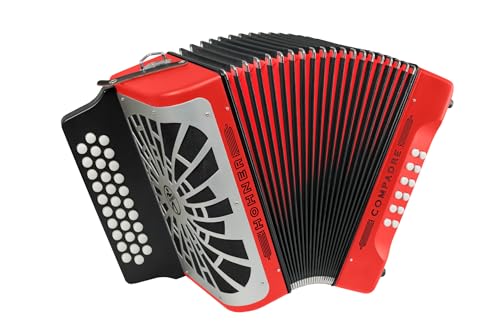
Ergonomics: Features an adjustable bass strap and redesigned wide open grille for greater volume

Diatonic Accdion in the Keys of FBbEb (FA) with 31 Treble Buttons 12 Bass Buttons - Black

Comes with adjustable bass strap and redesigned wide open grille allwoing for greater volume.
Immigrant and Cultural Contributions
The vibrant landscape of tango music is deeply intertwined with the diverse immigrant communities that inhabited Buenos Aires and Montevideo during the late 19th and early 20th centuries. This musical genre embodies cultural hybridity, reflecting the rich tapestry of immigrant narratives. In the working-class neighborhoods where tango first emerged, influences from European, African, and Latin American traditions converged. Jewish musicians, alongside others, fused their cultural practices with local sounds, contributing considerably to tango’s evolution. Instruments like the bandoneon, imported by European settlers, and African rhythms from candombe enriched the genre’s identity. Ultimately, tango stands as a symbol of the power of immigration, showcasing how diverse influences can create something uniquely beautiful and universally resonant. The dynamic rhythm of tango music not only invites dance but also serves as a testament to its roots in cultural exchange.
Recommended Products


Development and Musical Characteristics

Tango music, evolving dynamically from its roots in the working-class neighborhoods of Buenos Aires and Montevideo, showcases a multifaceted blend of cultural influences that have shaped its distinct sound and form. Its development is grounded in a rich historical tapestry, where early ensembles, known as *la guardia vieja*, laid the groundwork for modern tango. The signature inclusion of the bandoneon around 1910 defined tango instrumentation, while the *sexteto típico* standardized arrangements with its combination of instruments, fostering a unique auditory experience. The rhythmic complexity of tango emerges from an interplay of syncopated beats, derived from Afro-Uruguayan candombe, and melodic phrasing influenced by European dance forms. This dynamic synthesis creates a thrilling rhythm that is unmistakably tango, reflecting both tradition and innovation. The genre’s evolution is also marked by the contributions of composers like Astor Piazzolla, who introduced innovative tango rhythms that have captivated audiences worldwide.
Recommended Products

![[(Solo Tango Solo Piano: UE34679)] [Author: Gustavo Beytelmann] published on (January, 2011)](https://m.media-amazon.com/images/I/41qV8ehOoZL._SL500_.jpg)

Social and Cultural Context

Emerging from the vibrant tapestry of Buenos Aires and Montevideo‘s working-class neighborhoods, the social and cultural context of tango profoundly reflects the intricate interplay of class, ethnicity, and identity during its formative years. This dance flourished in informal dance venues, where marginalized groups mingled and expressed their identities through movement. The early tango, linked closely to brothels and carnivals, navigated complex class dynamics, as it was initially deemed unacceptable by the Argentine elite due to its associations with lower-class and Afro-Argentine communities. Despite elite disdain, tango’s energetic rhythms and improvisational style captivated the masses, illustrating how this multifaceted cultural expression evolved. Overall, tango’s development embodies the rich tapestry of immigrant influences and societal tensions in early 20th-century Argentina. Piazzolla’s innovative fusion of tango and jazz revitalized the genre, expanding its audience and artistic reach beyond traditional boundaries.
Global Spread and Popularization
While many people may associate tango exclusively with its passionate dance and distinctive rhythms, its global spread and popularization tell a far richer story about cultural exchange and adaptation. Originating in Argentina and Uruguay, tango quickly evolved, owing to early Latin American bands that captivated audiences in North America and Europe. Remarkably, Carlos Gardel‘s enchanting voice propelled tango into global recognition during the 1910s and 1920s. The rise of media, including radio broadcasts and films, further facilitated its global diffusion, allowing diverse orchestras to incorporate tango into their repertoires. UNESCO’s recognition also solidified tango’s cultural significance, showcasing how this multifaceted genre continues to adapt, inspiring dance studios and festivals worldwide, thereby enriching our collective cultural tapestry through ongoing reinterpretation and shared experiences. Notably, Gardel’s greatest hits collections encapsulate his extraordinary contributions to tango, making his music accessible to a broader audience.
Recommended Products


Key Figures and Musical Evolution
As the intricate threads of tango’s history intertwine, it’s vital to recognize the key figures who played pivotal roles in shaping its musical evolution. Pioneers like Rosendo Mendizábal, Vicente Greco, and Carlos Gardel set foundational stones, blending European and African influences that characterized early tango. Gardel, known as the “King of Tango,” revolutionized vocal traditions, emphasizing melody and emotional lyrics, which proved important for future singers steering through this rich genre. The Golden Age brought innovators such as Juan d’Arienzo and Osvaldo Pugliese, who created distinct rhythmic styles; meanwhile, Astor Piazzolla transformed tango into a sophisticated art form, integrating jazz and classical elements. Through collaboration and individual artistry, these tango innovators have guaranteed its vibrant, evolving legacy persists. The incorporation of the accordion in ensembles has also played a significant role in the music’s rich tapestry and current popularity.
Recommended Products
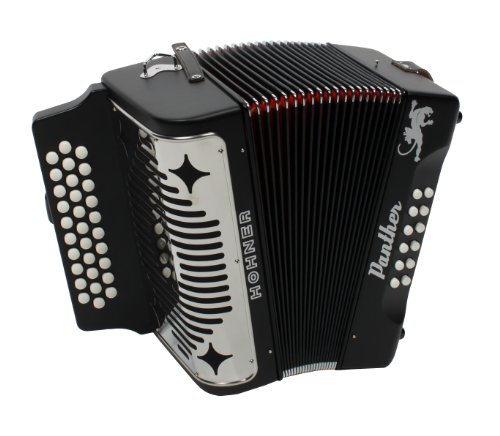
Compact and Lightweight Design: Hohner piano accordion is a compact lightweight diatonic button accordion that comes with a free Hohner panther accordion bag for easy transport and storage

German 41Key120Bass Accordion - Durable for All Scenarios:Built for touring, stage performance and daily practice, with reinforced steel corners and lambskin bellows for consistent concert tones. German core parts stand up to live gigs/recording/lessons—perfect for adult pros, advanced players and serious beginners.

Frequently Asked Questions
What Are the Main Instruments Used in Traditional Tango Music?
In traditional tango music, I often hear the bandoneon’s rich notes and the violin’s dramatic techniques. These instruments, along with piano and double bass, create the passionate soundscape we all love in tango.
How Has Tango Music Influenced Other Music Genres?
Tango music’s cross-genre influences are fascinating. I see its rhythms and melodies enriching jazz, classical, and even Latin genres. This cultural exchange continues to evolve, reshaping sounds and inspiring new artists globally, which I truly admire.
Are There Specific Tango Music Festivals Celebrated Worldwide?
There’re countless tango festivals worldwide, each a grand celebration of dance and music. From Buenos Aires to Estonia, these global celebrations unite tango lovers, creating unforgettable experiences brimming with passion and connections in every step!
What Role Does Improvisation Play in Tango Music Performances?
In tango music performances, improvisation techniques are essential. They enhance musical expression, allowing me to connect deeply with the rhythm and atmosphere, creating spontaneous, unique moments that resonate with both dancer and audience.
How Can I Learn to Dance Tango Music Style?
Learning to dance tango is like mastering an intricate puzzle. I recommend taking dance classes for foundational skills, then supplement with online tutorials to refine technique. Practice often—you’ll soon feel the music guiding your movements.