As an Amazon Associate, we earn from qualifying purchases. Some links on this site are affiliate links at no extra cost to you. Our recommendations are based on thorough research and editorial judgment.

Do I Tango History?

Tango’s history is deeply rooted in the immigrant neighborhoods of Buenos Aires and Montevideo during the late 19th century, articulating the struggles and aspirations of marginalized communities. The dance embodies complex social dynamics, blending various cultural influences, which evolved into a global phenomenon. With its rhythmic music and emotive movements, tango serves as both a cultural expression and a symbol of Argentine identity. Discovering more reveals how tango continues to influence contemporary art forms today.
Key Takeaways
- Tango originated in late 19th century Buenos Aires and Montevideo, deeply rooted in immigrant neighborhoods and working-class pride.
- Initially stigmatized, tango evolved into a national emblem, integrating diverse cultural influences and reflecting Argentina’s rich history.
- The music, characterized by syncopation and a melancholic quality, plays a crucial role in shaping the dance’s emotional depth.
- Tango’s global spread began with Argentine immigrants introducing it to elite circles, adapting through local traditions and cultural contexts.
- Today, tango remains a vital part of Argentina’s cultural heritage, symbolizing resilience and community while influencing contemporary art forms worldwide.
Origins of Tango
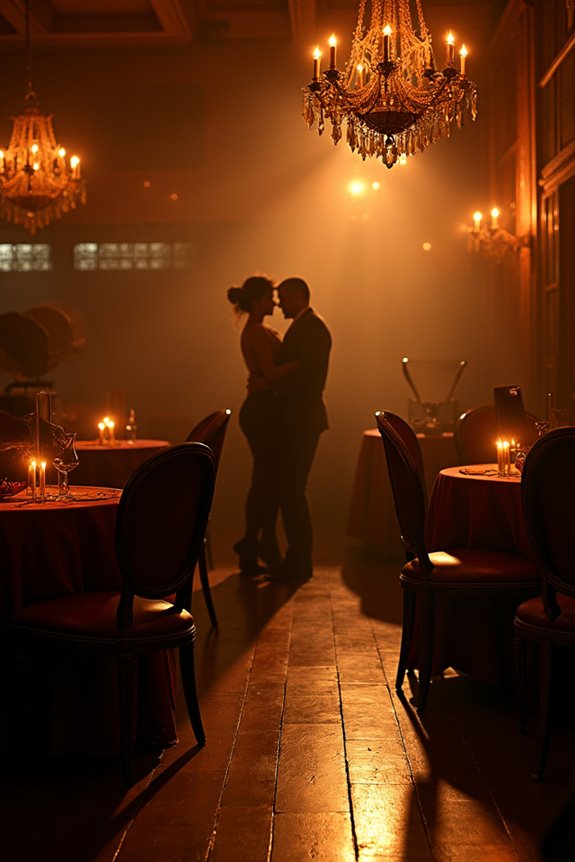
Although many might perceive tango simply as a passionate dance, its origins reveal a multifaceted tapestry woven from diverse cultural threads that emerged in the late 19th century. Rooted primarily in the port neighborhoods of Buenos Aires and Montevideo, tango reflects a rich cultural fusion of African and European influences. Early tango terminology often emphasizes the rhythm and movement derived from Afro-Argentine traditions, particularly the candombe style, while incorporating European musical elements, such as the habanera. Initially exclusive to male performers within working-class communities, tango amalgamated the experiences of immigrants and marginalized groups, evolving through informal gatherings that blurred social boundaries. This intricate interplay of cultural expressions laid the groundwork for what we now celebrate as tango, a dance transcending generations. The music of tango, characterized by its tempo and rhythm, plays a crucial role in enhancing the dance experience and emotional connection between partners.
Musical and Dance Components

As we explore the musical and dance components of tango, it’s clear that this art form is not merely a combination of sound and movement, but rather a multifaceted expression rooted in cultural storytelling and emotional resonance. The tango’s musical structure employs a rhythmic foundation characterized by syncopation and varying time signatures, such as 2/4 and 4/4, which propel the dance rhythm forward. Importantly, the bandoneón introduces a unique texture that shapes this intricate fabric. With melodies often reflecting a melancholic quality, they weave narratives that resonate deeply with dancers. The articulation of rhythm—enhanced by techniques like arrastre—invites dancers to interpret and respond dynamically, creating an intimate dialogue that enriches the overall experience of tango. Moreover, the influence of music on dance movements emphasizes how emotive melodies inspire players to innovate their choreography.
Recommended Products
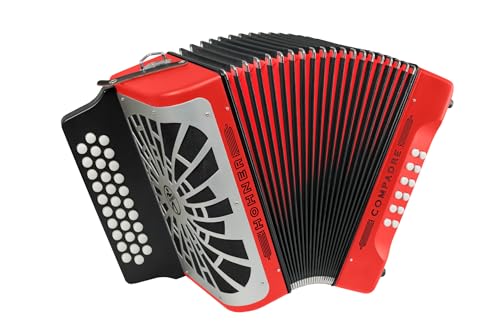
Ergonomics: Features an adjustable bass strap and redesigned wide open grille for greater volume

Diatonic Accdion in the Keys of FBbEb (FA) with 31 Treble Buttons 12 Bass Buttons - Black

Comes with adjustable bass strap and redesigned wide open grille allwoing for greater volume.
Social Context and Evolution
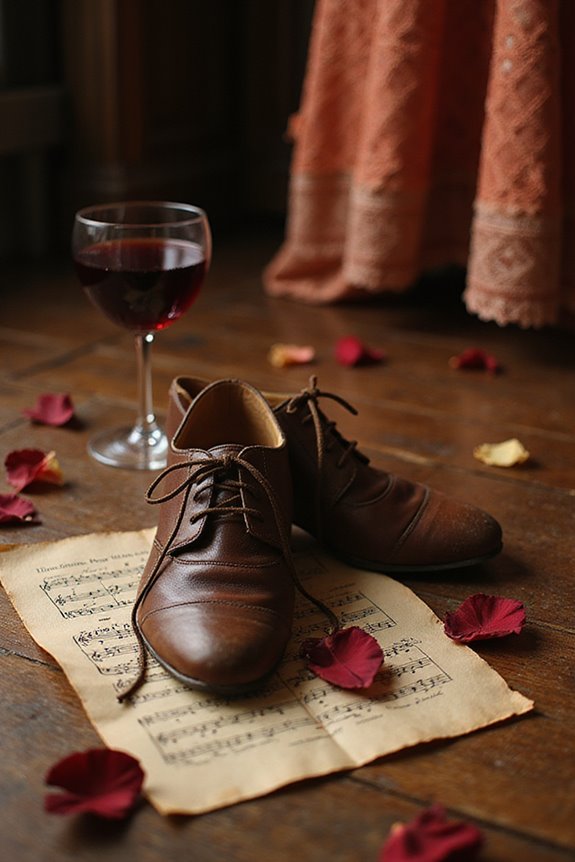
The origins of tango, deeply entwined with the social fabric of marginalized communities in late 19th-century Buenos Aires and Montevideo, illustrate a multifaceted narrative of cultural evolution and resilience. Born in impoverished neighborhoods, tango emerged as a powerful expression of social dynamics, reflecting the intricate relationships between various social classes, particularly the lower classes depicted through passionate themes in dance. Initially stigmatized by the upper echelons as vulgar, it eventually gained cultural acceptance, thanks to its rich history and connection to the disenfranchised. This evolution showcased cultural resilience, as tango transcended its origins, influencing and being influenced by broader societal changes. As the dance’s popularity grew, it integrated diverse artistic elements, deepening its connection to Argentine identity and fostering social integration. The music of tango, particularly compositions like Libertango by Astor Piazzolla, significantly enhances the emotional depth of the dance.
Recommended Products

screwdrivers

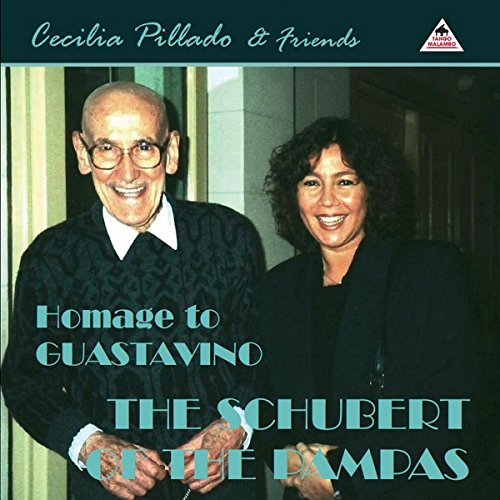
DE ANGELIS ALFREDO TANGOS SENTIMENTALES
Global Spread and Adaptations

From its humble beginnings in marginalized neighborhoods, tango swiftly evolved into a global phenomenon, demonstrating how cultural expressions can transcend geographical and social boundaries. The process of tango globalization was greatly influenced by Argentine immigrants, who introduced the dance to elite social circles in major cities like Paris, London, and New York during the early 20th century. This migration prompted cultural adaptations, as local traditions began to reshape tango’s form. In Europe, for instance, it transformed into more formal ballroom styles, while American iterations integrated faster tempos and jazz elements. These adaptations reflect not just shifts in dance, but broader sociocultural contexts, showcasing how tango’s multifaceted identity continues to evolve through artistic expressions shaped by diverse cultures across the globe. The cultural impact of Piazzolla further illustrates how tango has embraced innovative influences, enriching its legacy and expanding its reach.
Recommended Products

Outstanding quality - Made in Germany

Dance in comfort and style with the Very Fine Icarus Practice Dance Sneakers. Suede outside and genuine leather interior to expand and fit your foot like a glove.

Outstanding quality - Made in Germany
Timeline and Historical Milestones
The global journey of tango, shaped by its adaptations as it entered new cultural landscapes, naturally leads us to an examination of the timeline and historical milestones that delineate its evolution. Emerging in the late 19th century around the Río de la Plata, tango’s rich tapestry weaves together African and European influences, marked by its foundational techniques and early dance variations. Documented in Europe by the early 20th century, its popularity blossomed in cities like Paris and New York, where the improvisational styles and vibrant rhythms resonated with diverse audiences. By the 1920s, tango had crystallized its form, evolving from informal gatherings to a staple of global ballroom culture, signifying its remarkable journey through changing social landscapes and artistic expressions. This evolution was further influenced by the Golden Age tango music, which captured the emotional depth and improvisational nature critical to the dance’s appeal.
Cultural and Artistic Legacy
Exploring tango’s cultural and artistic legacy reveals a multifaceted narrative that extends far beyond its origins in the streets of Buenos Aires. This enchanting dance form is a rich cultural fusion, blending elements from African, European, and Native American traditions. From its beginnings among marginalized communities, tango has undergone an intriguing artistic evolution. The incorporation of the bandoneon shaped its musical identity, while lyrics introduced by Carlos Gardel transformed the emotional depth of the genre. Initially met with resistance, tango eventually found acceptance across social strata, gaining international acclaim and solidifying its place in the global arts. Today, tango stands as a profound representation of Argentine cultural heritage, reflecting resilience through its ongoing adaptation and fusion with contemporary artistic expressions. Understanding the historical context of tango deepens our appreciation for its distinct musical stylings.
Influences on Modern Dance Forms
As tango has evolved, its profound influence on modern dance forms becomes increasingly evident, revealing how this traditional art has adapted to contemporary expressions. The integration of tango improvisation techniques into American dance culture has catalyzed the emergence of American Tango, characterized by a newfound emphasis on improvisation and ballroom adaptation. Significantly, fusion styles like Tango Nuevo have surfaced, blending traditional elements with jazz and contemporary dance. This cross-cultural collaboration has expanded tango’s movement vocabulary while fostering innovation. Additionally, contemporary dance companies have begun to incorporate tango’s intricate embrace and emotive storytelling into their choreography, enriching performance art. Ultimately, the multifaceted dimensions of tango continue to shape the landscape of modern dance, highlighting its enduring adaptability and expressive depth.
Recommended Products

3.25 inch (8 cm) gold heels

COMFORTABLE AND FLEXIBLE: The Women's Splitflex T-Strap Character Dance Shoe is designed to provide maximum comfort and support during dance routines. The shoe features a split sole design that allows for greater flexibility and range of motion, while the T-strap gives extra support to the foot.

Classical elegance and beauty. For women who desire to look, feel and be their best. You will love the way Very Fine Delphine Dance Shoes complement your beauty and grace on the dance floor.
Tango’s Role in Cultural Identity
Tango serves as a compelling lens through which we can examine the complexities of cultural identity, particularly in the context of Argentina and Uruguay. Emerging from the late 19th century immigrant neighborhoods, it articulated both immigrant nostalgia and working-class pride, enabling communities to bond over shared experiences. Within the conventillos, where people found solace and camaraderie, tango transformed into a medium for expressing hopes and struggles, influenced by diverse cultures. This dance not only symbolized the resilience of marginalized communities but also reflected the urban realities of cities like Buenos Aires. As tango evolved into a national emblem, it encapsulated Argentina’s distinctive history and cultural synthesis, revealing the multifaceted narrative of identity that continues to resonate with many today.
Frequently Asked Questions
Recommended Products

Duo Sole Design: Suede sole with rubber insert offers optimal grip and slide.


Begin with street shoe size. For a tighter fit, size down a half size.
What Are the Proper Attire Choices for Tango Dancing?
Did you know that 85% of tango dancers prefer comfortable yet stylish footwear options? For dress styles, I’d recommend knee-length for women, and smart trousers for men, ensuring we move freely while looking elegant on the dance floor.
How Can Beginners Learn to Tango?
To learn tango, I recommend taking beginner lessons, focusing on the basics and practicing steps regularly. Remember to maintain posture and embrace while following beginner tips to build your confidence and rhythm.
What Are Common Misconceptions About Tango?
You won’t believe the misconceptions around tango! Many think its origins are purely Argentine, but it’s a delightful mix. Plus, dance etiquette’s often misunderstood; it’s not just about the moves—it’s about connection and respect too!
Are There Specific Health Benefits to Dancing Tango?
Dancing tango gives me cardiovascular benefits and boosts mental health. It not only improves my fitness but also lifts my mood through endorphin release, helping me feel more connected and less stressed.
How Has Tango Music Evolved Over Recent Years?
Tango music’s evolution is striking; blending genres and musical influences now creates vibrant sounds. While traditional melodies still enchant, contemporary styles breathe fresh life into the dance, showcasing its adaptability and enduring allure across generations.