As an Amazon Associate, we earn from qualifying purchases. Some links on this site are affiliate links at no extra cost to you. Our recommendations are based on thorough research and editorial judgment.

What Is Milonga?

Milonga is a multifaceted dance and music form that has its roots in 17th century Angola, evolving dramatically in Buenos Aires. It serves as an articulate expression of cultural identity and resilience, particularly within marginalized communities. Featuring a lively 2/4 rhythm, the dance incorporates improvisation and social interaction, emphasizing quick movements and intricate footwork. As a vibrant precursor to tango, milonga embodies not only artistic expression but also fosters community connections, revealing layers of cultural significance that merit further exploration.
Key Takeaways
- Milonga originated from Angola in the 17th century and evolved in Buenos Aires, embodying cultural resilience and artistic expression.
- Characterized by a brisk 2/4 time signature, milonga features quick movements and emphasizes rhythm and improvisation in dance.
- The dance embodies a blend of African and European musical elements, influencing the development of modern tango.
- Milonga serves as a social ritual, fostering community and inclusivity among dancers across diverse settings and events.
- Contemporary practices in milonga maintain traditional values while encouraging creativity and role exchange on the dance floor.
Origin and History of Milonga
The origin and history of milonga, while rich and multifaceted, can be traced back to its African roots, illustrating a profound connection between cultural expression and resistance. Originally, the term milonga denoted an improvised song in 17th century Angola, symbolizing verbal sparring against Portuguese colonial authority. This African influence formed the foundation of milonga’s evolution as it shifted to embody the spirit of the lower classes in Buenos Aires. As milonga music began fusing with various genres in the 19th century, it became a vibrant outlet for marginalized communities. The dance flourished in brothels and working-class neighborhoods, characterized by simple steps that echoed its African heritage, ultimately serving as a precursor to the tango we understand today. Moreover, the emotional connection crafted in milonga music reflects the themes of love and longing that permeate the evolution of tango.
Dance Characteristics and Style

Milonga’s dance characteristics and style are intricately multifaceted, offering an engaging contrast to its more solemn counterpart, tango. This dance emphasizes quicker movements, characterized by relaxed legs and fluid body mechanics that enable a continuous flow. Unlike tango, where pauses are common, milonga demands an active rhythm and alignment, revealing mistakes more conspicuously.
Dancers employ a variety of expression techniques, integrating humor and spontaneity into their improvisational elements, with notable styles like *milonga lisa* and *milonga con traspié*. Jerks and exaggerated movements, along with playful elements such as *quebradas*, enrich the experience. It’s this emphasis on social interaction and lively energy that defines milonga’s essence, highlighting its cultural roots as both an art form and social ritual. Engaging in milonga allows dancers to celebrate small wins as they navigate the interplay of rhythm and connection with partners, enhancing their overall enjoyment.
Recommended Products

Authentic Spanish Sound – Toe & Heel Nails (clavos) Crisp, resonant beats make these flamenco shoes with nails the favorite of escuelas de baile and studio teachers. Perfect for flamenco dance shoes women need to master rhythm early on.

VERSATILE LEATHER CHARACTER SHOE: A classic character shoe with a full leather upper and leather lining, finished with a contoured, chic 2½" heel — equally at home in musical theatre, character, and jazz routines.

Soft and strong leather upper with covered leather heel
Music and Rhythm of Milonga
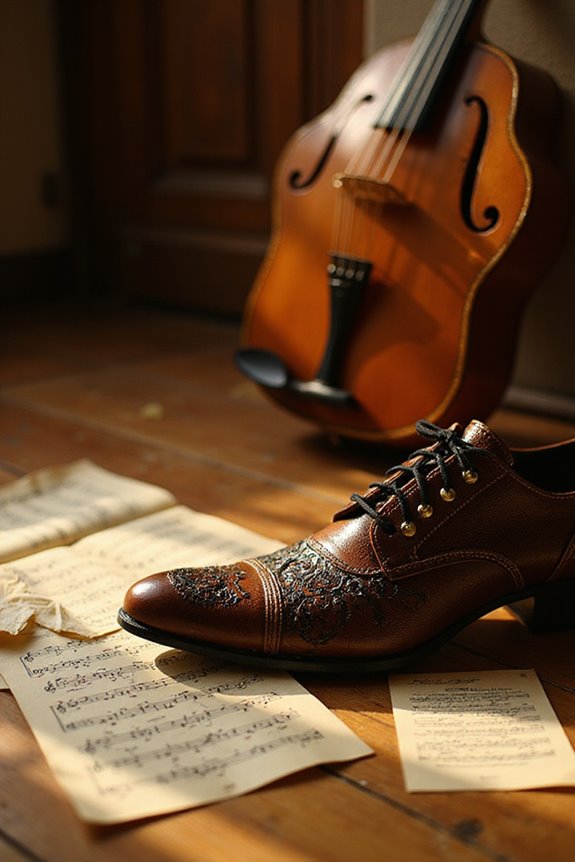
Music and rhythm form the foundational heartbeat of milonga, setting it apart as a vibrant and dynamic dance form. The music’s 2/4 time signature infuses the milonga with a brisk, upbeat tempo, which fosters a lively atmosphere. Characterized by sharp, rhythmically clear notes, milonga instrumentation, particularly the guitar’s use of tenuto quarter notes and sixteenth-note bordoneos, drives its distinctive sound. In addition, the incorporation of rhythmic patterns derived from the habanera adds an intricate layer of syncopation. This manifests in footwork that is both agile and compact, demanding dancers to align closely with the music’s fast-paced rhythm. Consequently, the interplay between instrumental clarity and rhythmic execution defines the essence of milonga, creating an engaging dance experience that captivates enthusiasts. Understanding the cultural significance of tango music enhances appreciation for the aesthetic depth embedded in the dance and its traditions.
Recommended Products

![Tango album 1 for GG264 Libertango guitar duo ISBN: 4874712649 (2000) [Japanese Import]](https://m.media-amazon.com/images/I/51MqwB0mwkL._SL500_.jpg)

Styles and Techniques in Milonga
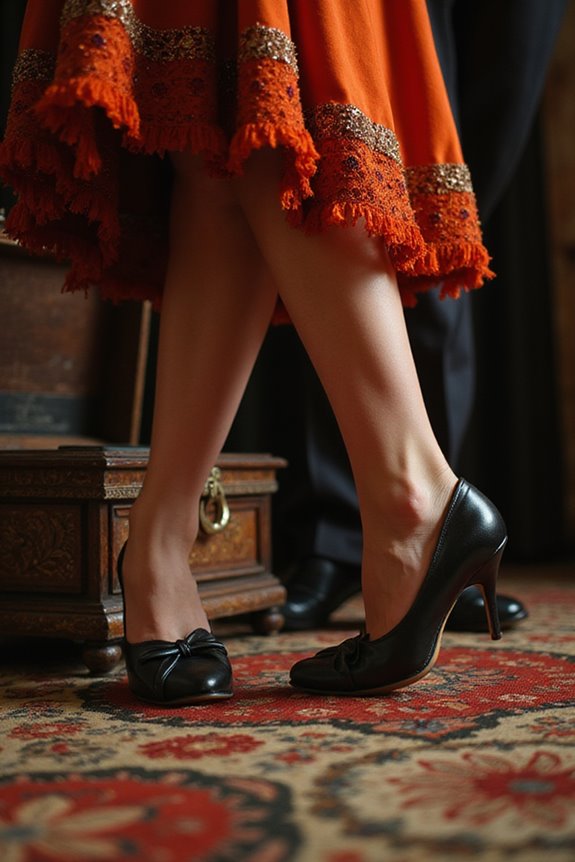
Styles and techniques in milonga reveal a multifaceted dance experience that combines elements of rhythm, improvisation, and unique movement dynamics. The two primary milonga styles, Milonga Lisa and Milonga con Traspié, showcase contrasting stepping patterns: while the former involves stepping on every beat, the latter emphasizes syncopated rhythms with accelerated weight shifts.
In terms of technique, a tighter embrace and controlled body axis are key; maintaining smaller movements enables dancers to navigate the fast-paced rhythm. Co-contraction in the legs aids in executing rapid rebounds without sacrificing stability. Additionally, the expression in milonga flourishes through improvisational elements, like comedic pauses and playful footwork, ultimately adding depth and engaging interaction to the dance. Understanding these milonga styles and techniques enhances the overall experience. Furthermore, the cognitive benefits of exploring various dance styles can significantly boost a dancer’s skills and emotional well-being.
Recommended Products

Begin with street shoe size. For a tighter fit, size down a half size.

Begin with street shoe size. For a tighter fit, size down a half size. Suited for medium or wide feet.

Begin with street shoe size. For a tighter fit, size down a half size. Suited for medium feet.
Terminology and Multiple Meanings

Understanding milonga implicates recognizing its multifaceted terminology, which embodies a rich blend of social, musical, and cultural dimensions. The term “milonga” serves dual purposes; it can describe both a vibrant dance event and a lively musical style integral to the Argentine Tango. At a milonga, dancers enjoy structured partner changes within defined tandas, alongside rhythmic musical interludes known as cortinas. This social gathering contrasts starkly with informal prácticas, emphasizing etiquette and communal flow on the dance floor, termed ronda. Additionally, milonga terminology encompasses specialized terms like milonguero, denoting seasoned practitioners immersed in the tango lifestyle. Given these diverse milonga meanings and contexts, it’s essential to appreciate how language shapes our understanding of this rich cultural practice. Furthermore, the experience of attending a milonga can deepen one’s connection to the dance, akin to the emotional exploration found in books like Tangofulness.
Cultural Significance of Milonga
Although milonga may initially appear as merely a lively dance gathering, its cultural significance extends far beyond the dance floor, intertwining with the social fabric and identity formation within Argentine society. Rooted in African and Afro-Atlantic heritage, milonga embodies cultural resilience against historical oppression. Its evolution reflects a melding of diverse traditions, fostering a communal identity that resonates deeply with various demographic groups. These gatherings serve not only as artistic expressions but also as essential social rituals, enabling storytelling and the articulation of collective experiences. As milonga transcended stigma, it became a cornerstone of Argentina’s cultural landscape, illustrating how marginalized voices can influence mainstream narratives, thereby enriching the nation’s identity through the rhythms and movements that honor their rich, multifaceted history. Additionally, understanding the cultural practices surrounding tango can deepen one’s appreciation for the intricate relationship between music and movement in milonga.
Milonga Dance Events and Social Gatherings
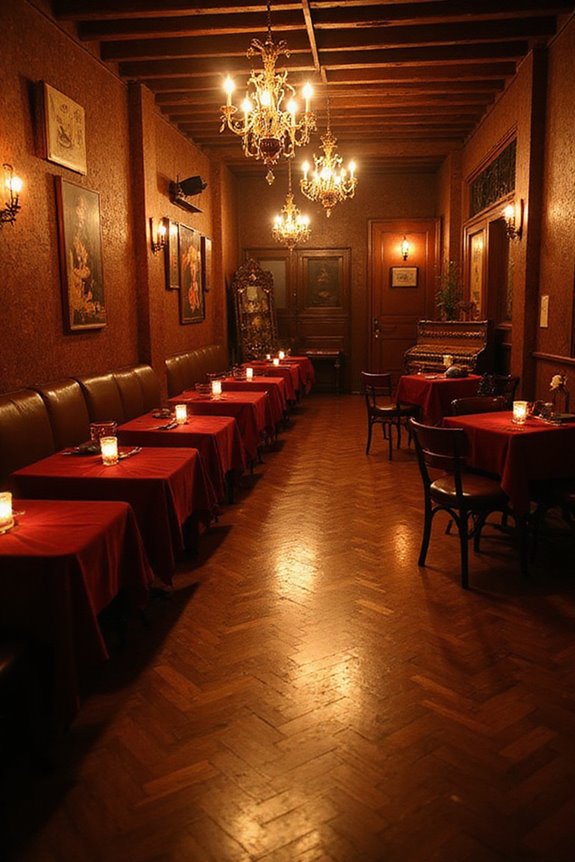
Milonga dance events, often characterized by a vibrant and communal atmosphere, serve as essential gatherings that not only celebrate the tango family of dances but also foster social interaction among participants. These events take place in welcoming venues, where dancers of all levels come together, creating an inclusive environment while adhering to the nuances of milonga etiquette. The evening unfolds with live or DJ-played music that drives the energetic pace, encouraging rhythmic walking and expressive movement. Engaging in the traditional “cabeceo” allows dancers to invite partners discreetly, preserving the social integrity of the floor. The interplay of close embrace dancing, combined with the quick footwork rooted in respect for personal space, enhances the overall experience, allowing for meaningful connections through shared artistic expression.
Recommended Products

3.25 inch (8 cm) gold heels

Traditional ballroom and latin shoe with a classic oxford upper in soft full grain leather
VERSATILE LEATHER CHARACTER SHOE: A classic character shoe with a full leather upper and leather lining, finished with a contoured, chic 2½" heel — equally at home in musical theatre, character, and jazz routines.
Influence of Milonga on Argentine Tango
The intricate relationship between milonga and Argentine tango reveals a multifaceted evolution of dance that embodies cultural confluence and artistic expression. Through milonga evolution, we see how this vibrant dance form shaped tango adaptation, especially regarding rhythmic structure and movement. The rapid 2/4 rhythm of milonga, with its continuous beat and footwork, set a foundation for tango’s more complex style, enhancing agility and intimacy in partner work. Early milonga’s incorporation of African and European elements not only fostered a unique musical texture but also informed tango’s dramatic flair and improvisational nature. As milonga developed from lower-class origins into a celebrated dance, its influence undeniably sculpted the identity of Argentine tango we recognize today, marking a significant cultural amalgamation.
Contemporary Practices and Innovations in Milonga
Exploring the evolution of milonga naturally brings us to contemporary practices and innovations that shape its present-day landscape. One significant development is the integration of role exchange, encouraging dancers to engage in both leading and following roles. This shift not only enhances community inclusivity but also fosters mutual understanding and empathy on the dance floor. Additionally, contemporary innovations manifest in diverse event formats, such as dance cruises and outdoor gatherings, expanding traditional milonga settings. Artistic collaboration is increasingly evident, as instructors blend techniques from contemporary dance and visual arts. This enriches the experience, encouraging creativity and personal expression while maintaining core Argentine Tango values. Together, these elements reflect a thriving, dynamic milonga community that values adaptability and connection.
Recommended Products

Very Fine Darius Dance Slipon Loafers. Easy, comfortable and convenient to put on and take off.

Duo Sole Design: Suede sole with rubber insert offers optimal grip and slide.

Fit: If you are used to the snug fit of performance dance shoes, we recommend ordering a half size down from your regular street sneakers. Dance sneakers hsould be snug to pretct your feet and ankles during strenuous dance movesDance in comfort and style with the Very Fine Icarus Practice Dance Sneakers. Suede outside and genuine leather interior to expand and fit your foot like a glove.
Frequently Asked Questions
What Are the Best Shoes for Dancing Milonga?
When I choose shoes for milonga, I look for leather or suede materials and a heel height of 4 to 7 cm. It’s all about balance and comfort for smooth, agile movements on the dance floor.
Can Beginners Participate in Milonga Dance Events?
Absolutely, I think beginners can participate in milonga dance events! Just remember some beginner tips, like observing the styles and practicing simple steps, which will help you adapt and enjoy the vibrant atmosphere.
How Do I Find Milonga Classes Near Me?
Finding milonga classes near me? Guess I’ll just stumble upon a milonga venue while wandering aimlessly—oh wait, social media and local dance schools actually make it easier to discover those hidden gems!
Are There Specific Etiquette Rules at Milonga Social Events?
At milonga social events, I always respect the dance floor by maintaining distance and following the line-of-dance. Partner selection through cabeceo is essential, and I focus on creating a comfortable atmosphere for everyone.
What Clothing Is Recommended for Milonga Dancing?
Did you know over 60% of dancers prefer breathable fabrics? For milonga, I recommend form-fitting clothes in soft materials that support movement, like skirts with slits for women or elegant pants for men—freedom is key!