As an Amazon Associate, we earn from qualifying purchases. Some links on this site are affiliate links at no extra cost to you. Our recommendations are based on thorough research and editorial judgment.

What Is Tango Music?

Tango music is a multifaceted genre that emerged in late 19th-century Buenos Aires and Montevideo, shaped by African rhythms and European folk dances. It features engaging 4/4 and 2/2 time signatures, with characteristic accents guiding dancers. The quintessence of tango lies in its instrumentation, particularly the bandoneón’s melancholic melodies. Lyrically, tango articulates profound themes such as love, loss, and disillusionment, often challenging traditional gender roles. Exploring this vibrant cultural tapestry reveals even more fascinating layers of tango’s evolution.
Key Takeaways
- Tango music originated from African and European influences, primarily in Buenos Aires and Montevideo, known for its emotional depth and vibrant rhythms.
- The typical tango ensemble features instruments like bandoneón, violins, piano, and double bass, creating a rich and expressive sound.
- Characterized by specific rhythms and time signatures, tango music often has engaging patterns that guide the movements of dancers.
- Lyrically, tango addresses themes of love, loss, and disillusionment, often reflecting the complexities of relationships in urban settings.
- Tango has evolved over time, combining traditional elements with contemporary styles, including new genres like tango jazz fusion.
Origin and Cultural Roots
When we explore the origin and cultural roots of tango, we can observe that its emergence is inherently linked to a confluence of diverse musical and social influences, primarily stemming from African and European traditions. The African influence is distinctly prominent, with rhythms from African communities in Buenos Aires and Uruguay, including candombe, shaping tango’s energetic movements. Simultaneously, European contributions enriched this evolving genre, especially through immigrant communities who brought folk dances like the polka and minuet, alongside instruments such as the violin and piano. This fusion created a multifaceted musical expression, marked by vibrant syncopation and emotional depth. Ultimately, tango’s roots illustrate a dynamic interplay between these cultural influences, reflecting the social tapestry of late 19th-century Buenos Aires and Montevideo. The emotional connection embedded in tango music’s essence evokes themes of love and passion, enhancing the overall dance experience.
Rhythmic and Musical Structure

Tango’s rhythmic and musical structure emerges as an enchanting reflection of its diverse influences, offering both complexity and accessibility to dancers and listeners alike. The primary time signatures, mainly 4/4 and 2/2, establish a foundation for engaging rhythmic patterns, enabling dancers to anticipate their movements. Each piece often unfolds in five sections, with lyrical musical phrases comprising four measures, enhancing predictability and facilitating seamless shifts on the dance floor. Furthermore, tango’s characteristic accents—falling typically on beats one and three—serve to emphasize these phrases, guiding dancers’ step choices and emotional expression. By blending marcato and síncopa rhythms, tango cultivates a dynamic interplay that not only captivates performers but also enriches its cultural tapestry, making it uniquely compelling. Additionally, notable compositions in *tango music* showcase intricate rhythms that further amplify the genre’s distinctive allure.
Recommended Products


![[(Solo Tango Solo Piano: UE34679)] [Author: Gustavo Beytelmann] published on (January, 2011)](https://m.media-amazon.com/images/I/41qV8ehOoZL._SL500_.jpg)
Instrumentation

Instrumentation in tango music plays a pivotal role in shaping its distinctive sound, revealing a rich tapestry of cultural influences and emotional depth. The quintessential orquesta típica typically features two bandoneóns, two violins, a piano, double bass, and flute, each fulfilling specific instrument roles that contribute to the ensemble dynamics. The bandoneón, often deemed the soul of tango, delivers melancholy melodies while the violins enhance the drama and expressiveness. The piano adds harmonic richness and rhythmic drive, supporting the ensemble’s interplay. Although percussion is generally absent, the double bass and guitar provide a solid rhythmic foundation. Flutes and clarinets occasionally join, enriching the texture with melodic lines, reinforcing the multifaceted nature of tango’s sonic landscape. Additionally, understanding the cultural practices surrounding tango enhances the emotional expression and enjoyment of its music.
Recommended Products


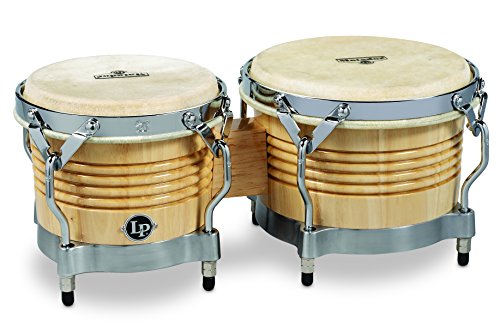
Tony Succar Signature Timbales - Rainbow Chrome/Black Chrome Hardware
Themes and Lyrics

Although tango music is often celebrated for its rich instrumentation and enchanting rhythms, the themes and lyrics convey profound emotional narratives that resonate deeply with listeners. These lyrical motifs express complex feelings of disillusionment, love, and loss, often intertwined with elements of sadness and sexual desire. For instance, many tangos depict the pain of unrequited love and betrayal, painting vivid pictures of heartbreak against the backdrop of urban Buenos Aires. The passage of time also emerges as a recurrent motif, illustrating nostalgia and regret. In addition, tango lyrics often challenge traditional gender roles, offering a multifaceted view of relationships. Through evocative imagery and sincere confessions, tango articulates emotional narratives that encapsulate the struggles of the human experience, making it universally relatable. The music itself, with its emotional connection, enhances the dancers’ expressions, making the stories conveyed through lyrics even more powerful.
Evolution and Variations

The evolution of tango music is a fascinating journey that reflects its capacity to adapt and transform through various cultural influences and historical contexts. Emerging from the late 19th century, tango’s early foundations were shaped by Afro-Latin rhythms, such as the candombe, alongside European elements like the polka. As time progressed, historical influences led to its classification into distinct periods, with each iteration showcasing cultural exchanges that introduced new sounds and artistic expressions. The change from the Guardia Vieja to the Guardia Nueva marked substantial shifts in instrumentation and aesthetic, culminating in the Golden Age’s orchestral richness. Today, tango continues to evolve, embracing contemporary styles while honoring its complex heritage, illustrating its enduring significance in the global music landscape. This evolution includes the emergence of tango jazz fusion, which blends traditional Argentine tango and jazz influences, enriching the genre’s diversity.
Dance and Expressive Connection
When one immerses oneself in the world of tango dance, it’s evident that the connection between partners transcends mere physicality, evolving into a profound expressive dialogue that embodies the essence of human emotion. The emotional interplay is palpable and immediate, characterized by the intimate connection fostered through subtle touches and shared breaths. In tango, each movement communicates layers of passion, nostalgia, and melancholy, echoing the dance’s origins in the struggles of immigrants. The embrace allows for a delicate balance of leading and following, where nonverbal cues create an unspoken understanding. As we navigate this multifaceted expression, it becomes clear that tango is more than just a dance; it’s a deeply engaging conversation that captures the complexities of our shared experiences and emotions. Additionally, many contemporary tango ensembles utilize the accordion’s intricate melodies to enhance the emotional depth of their performances.
Recommended Products

Outstanding quality - Made in Germany

3.25 inch (8 cm) gold heels

Classical elegance and beauty. For women who desire to look, feel and be their best. You will love the way Very Fine Delphine Dance Shoes complement your beauty and grace on the dance floor.
Frequently Asked Questions
Who Are the Most Famous Tango Musicians and Composers?
Some of the most famous tango musicians include Carlos Gardel, known for his emotional singing, and Astor Piazzolla, who revolutionized the genre with his innovative nuevo tango style. Their influence is undeniable in tango’s history.
What Is the Difference Between Argentine Tango and Ballroom Tango?
Argentine tango emphasizes close embrace and improvisation, showcasing emotional connection, while ballroom techniques feature defined steps and a more structured approach. I appreciate how each style reflects distinct cultural influences and social contexts.
How Can I Learn to Dance Tango?
Learning to dance tango is like weaving a beautiful tapestry; I’d recommend starting with dance classes. Focus on key tango techniques to build your foundation. Practice regularly with a partner, and soon you’ll be effortlessly gliding across the floor!
What Cultural Impact Has Tango Had Globally?
Tango’s influence globally is profound; it’s a stunning example of cultural fusion. I’ve seen how it bridges communities, fosters connections, and enriches artistic expressions, transforming social spaces in cities everywhere into vibrant platforms for shared experiences.
Are There Specific Tango Festivals or Events I Should Attend?
If tango’s a fiery passion in your heart, you shouldn’t miss the Buenos Aires Tango Festival, Lisbon Tango Festival, or Tango Port Tallinn. Each of these tango events promises unforgettable experiences and connections in our vibrant community.