As an Amazon Associate, we earn from qualifying purchases. Some links on this site are affiliate links at no extra cost to you. Our recommendations are based on thorough research and editorial judgment.


How To Tango Musicality?

To understand tango musicality, I focus on articulating music through movement, immersing myself in rhythm and structure. It’s essential to recognize how beats interrelate within a 4/4 or 2/2 time signature, as this allows for synchronization of steps with compás. I connect movements to musical phrases, incorporating pauses and emotional depth into my dance. Additionally, I practice ear training to enhance my awareness of the music’s fabric. Engaging with these elements enriches my interpretive experience, fostering a richer understanding of tango. If this intrigues you, there’s so much more to uncover.
Key Takeaways
- Develop active listening skills to understand rhythm and structure in tango music, focusing on time signatures and strong beats.
- Align your movements with rhythmic patterns and recognize musical phrases to enhance your dance expression.
- Utilize pauses in the music to inject moments of stillness, creating emotional depth and anticipation in your movements.
- Practice walking in time with the music to cultivate a consistent rhythmic internal clock, enhancing your connection to the dance.
- Embrace the emotional connection fostered by the tango embrace, allowing for deeper expression and trust with your partner.
Understanding the Basics of Tango Musicality
Tango musicality, a multifaceted art form, is fundamentally the dancer’s ability to articulate the essence of music through movement, thereby transforming auditory experiences into physical expression. This skill encompasses not only tango timing but also the dancer’s ability to harmonize their movements with the music’s structure. Exceptional dancers embody the nuances of musical interpretation, capturing the emotion and character inherent in each note. By syncing their steps with the compás, or fundamental beat, they create a tangible connection to the music, elevating the storytelling aspect of the dance. This intricate interplay allows for personal expression, making musicality a distinguishing factor that separates good dancers from great ones. Ultimately, mastering tango musicality reveals a deeper emotional and artistic journey, as it involves understanding the relationship between music and movement to enhance one’s dance experience.
Listening and Recognizing Rhythm and Structure

How can we genuinely improve our dance if we don’t first learn to listen to the rhythm and structural nuances of the music? Understanding rhythmic patterns and the architecture of tango music is essential. Tango primarily operates in 4/4 or 2/2 time signatures, with strong beats often falling on the first and third counts. By recognizing these patterns, I can anticipate steps and changes during our dances. Each piece typically comprises five sections, with repeating musical phrases that inform my movement choices. Active listening helps me detect syncopation, allowing me to embrace off-beat accents that enrich my expressions. Consequently, as I cultivate my auditory skills, I develop a thorough connection between rhythm, structure, and performance that enhances my overall tango experience. Moreover, appreciating the emotional connection in tango music amplifies the intensity and drama of my dance.
Recommended Products

PREMIUM SOUND QUALITY: Also known as the “Premium Accordion”, this 31-key 12-bass accordion is made with premium reeds and tuned in the keys of C/G/F. The instrument is designed to be used in a variety of musical styles, from solo to ensemble. Its powerful and rich tone makes it ideal for a variety of musical styles, whether you are playing solo or in an ensemble. Experience a clear and crisp tone that will captivate your audience.


Unleash Your Potential Everywhere: Elevate every space into a vibrant stage with our portable dance floor, designed for superior performance. Experience easy installation and a smooth glide, making it the ideal choice for all dance styles, both indoors and outdoors.
Connecting Movements to Musical Elements
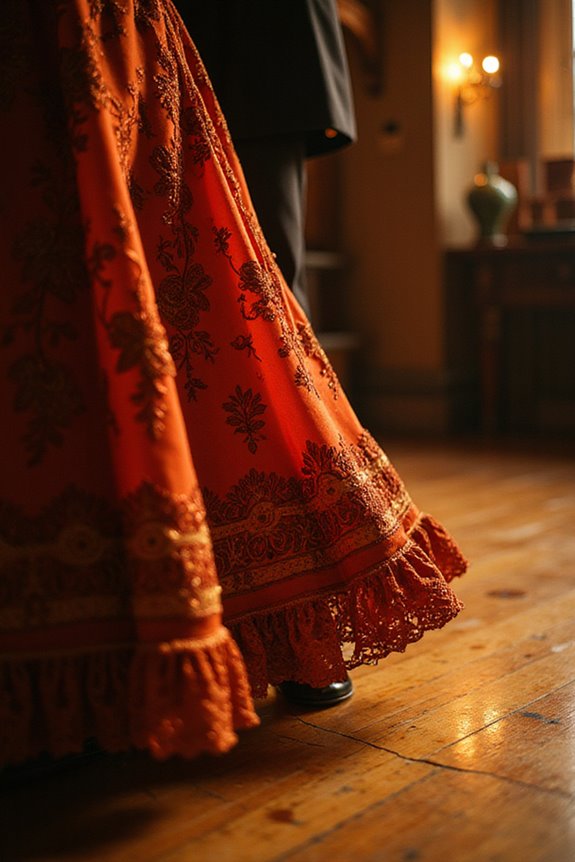
As I listen to the intricate textures of tango music, it becomes apparent that connecting movements to its musical elements is not just an enhancement of the dance; it is an interplay that breathes life into each step. The rhythmic patterns of tango music, often structured in measures of four beats, invite us to align our step patterns with precision. By recognizing musical pauses, I find perfect opportunities to inject stillness or shift movement dynamics, heightening the dance’s emotional impact. Additionally, understanding how instrumental textures—such as the dramatic flare of the violin—can influence our movement dynamics allows for rich expression, shaping a narrative that transcends mere imitation of rhythm to a deeply connected embodiment of melody and harmony. Embracing the philosophy of emotional and philosophical dimensions, as discussed in tango literature, provides further depth to our dance interpretation.
Recommended Products

Dance in comfort and style with the Very Fine Icarus Practice Dance Sneakers. Suede outside and genuine leather interior to expand and fit your foot like a glove.

Authentic Spanish Sound – Toe & Heel Nails (clavos) Crisp, resonant beats make these flamenco shoes with nails the favorite of escuelas de baile and studio teachers. Perfect for flamenco dance shoes women need to master rhythm early on.

Water Resistance Level: Not Water Resistant
Experiencing Emotional Depth in Dance

Experiencing the emotional depth of dance goes far beyond mere physical movement; it is an intricate tapestry woven from the threads of connection, expression, and shared experience. In tango, the embrace becomes an essential channel for emotional expression and partner connection, allowing dancers to communicate feelings non-verbally. The close proximity fosters empathy and trust, intensifying the emotional landscape of our movements. As we progress through tango tandas, the evolving dynamics between partners evoke a journey from initial hesitations to profound emotional coherence, particularly in those final moments. Each role—whether leading or following—serves as a catalyst for articulating emotions, transforming the dance into a rich narrative that goes beyond technique to touch the essence of our shared humanity. Incorporating specialized tango dance shoes not only enhances our physical expression but also contributes to the emotional connection we share on the dance floor.
Practicing and Developing Musical Awareness
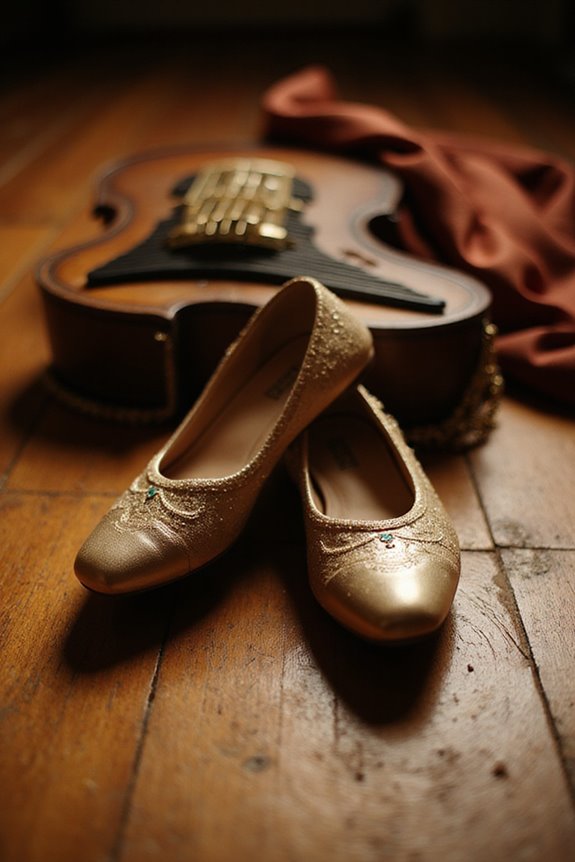
What if I told you that developing musical awareness in tango isn’t just about hearing the music, but about immersing yourself in its very fabric? To enhance your connection with tango music, engage in musical exercises focused on ear training. Begin by attentively listening to tango songs, identifying beats and instrumental layers. Use quality headphones to help distinguish these nuances. Walking in time with the music cultivates a rhythmic internal clock, integrating controlled breathing and grounded steps. Additionally, counting the music’s phrases in 8s allows for a deeper understanding of structure, informing your movements. By systematically recognizing and interpreting each musical element, you’ll articulate your dance with enhanced expressiveness, fostering a richer musical dialogue with your partner. Incorporating high-quality instrumentation helps preserve traditional sounds and enriches your overall dancing experience.
Recommended Products

High-Resolution Sound Quality by Professional Audio Team - With custom-made aluminum fascia and 40mm neodymium drivers, we bring you powerful bass and dynamic stereo sound. Put on these over-ear headphones and experience every detail of your music in stunning quality.

Advanced Active Noise Cancelling Technology: Reduced noise, better sound. Hear every word, note, and tune with incredible clarity. Whether you are taking a long-haul flight or commuting to work, the ANC function can cancel out a wide range of low and mid frequency noises such as the aviation environment and car engines, so you can focus on what you want to hear.
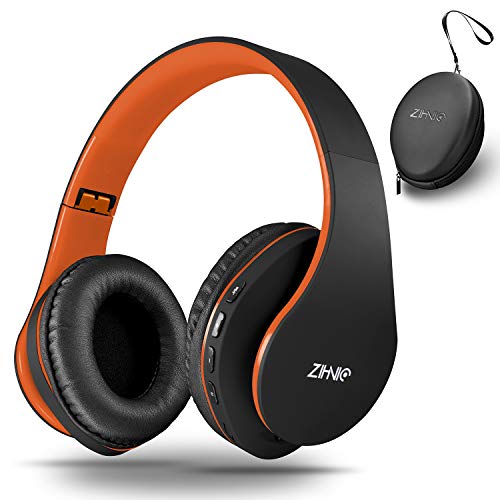
【ASTONISHING SOUND PRODUCTION 】: High Definition Stereo Headphones, specially developed software and noise reduction technology designed to prevent you from heating ambient noises and makes you focus on what you want to hear. Lose yourself in immersive music even in the lowest volume levels! The goal that provide Customers with outstanding sound quality is our constant pursuit.
Frequently Asked Questions
How Can I Improve My Improvisation Skills in Tango?
Improving my tango improvisation feels like learning to paint; each brushstroke is a unique expression. I focus on musical phrasing and rhythm variations, practicing with different placements and timing to enhance spontaneity and creativity in my dance.
What Are Common Mistakes Affecting Tango Musicality?
Common mistakes affecting tango musicality often arise from timing issues and rhythm misunderstanding. I’ve noticed that neglecting the music’s structure and dynamics leads to stagnant movement, limiting our ability to connect deeply while dancing.
How Does Partner Connection Impact Musicality in Tango?
Like a finely tuned instrument, the connection dynamics in tango shape our musicality through emotional expression. When we harmonize with our partner, we reveal deeper interpretations, enhancing every note and rhythm we dance to together.
Are There Specific Exercises for Developing Tango Musicality?
I love rhythm exercises and timing drills. These practices, like clapping to the beat and slow motion steps, really sharpen my musicality and let me connect better with the music and my partner.
How Do Different Tango Orchestras Influence Dance Interpretation?
Different orchestra styles deeply shape my dancer interpretation. For instance, D’Arienzo’s rhythm pushes quick footwork, while Pugliese’s emotional shifts invite expressive storytelling, demonstrating how each style adds richness and depth to the dance experience.